



How Much Protein Do You Really Need in Your 30s? (And Why Timing Matters More Than You Think)
If your 20s were about chasing intensity, your 30s are about preserving strength, energy, and consistency. One of the biggest mistakes people make as they get older is assuming their protein needs stay the same — or worse, that they can “wing it” like they used to.
The truth? Protein becomes more important in your 30s, not less. And it’s not just about how much you eat — it’s about when, how often, and how consistently you get it.
This guide breaks down exactly how much protein you need in your 30s, how timing affects muscle retention and fat loss, and how to use supplements responsibly without turning your diet into a sales funnel.
Why Protein Needs Change After 30
Once you pass 30, your body begins to experience subtle physiological changes that compound over time:
- Slower muscle protein synthesis
- Increased recovery demands
- Greater risk of muscle loss during calorie deficits
- Higher stress loads from work, family, and life
These changes don’t mean decline is inevitable — they mean strategy matters more.
Protein plays a central role in:
- Maintaining lean muscle mass
- Supporting metabolism
- Improving satiety and appetite control
- Enhancing recovery from workouts
In short: protein is no longer optional or “gym bro nutrition.” It’s foundational health support.
How Much Protein Do You Actually Need?
Forget outdated recommendations like “0.8 grams per kilogram.” That number is designed to prevent deficiency — not to optimize body composition.
A more realistic guideline for adults in their 30s is:
- 0.7–1.0 grams per pound of lean body weight if training regularly
- 0.6–0.7 grams per pound if lightly active
For example:
- 180 lb person with moderate training → ~120–150g protein/day
- 150 lb person cutting fat → ~100–120g protein/day
This range supports muscle retention while allowing flexibility in food choices.
Why Protein Timing Matters More Than Total Intake
Most people focus exclusively on daily totals — but timing becomes increasingly important as you age.
Your body is more responsive to protein when it’s:
- Spread evenly throughout the day
- Consumed post-training
- Included in your first and last meals
Instead of eating 20g at breakfast and 80g at dinner, aim for:
- 25–35g protein per meal
- 3–5 protein feedings daily
This approach maximizes muscle protein synthesis and prevents long gaps where your body breaks down tissue.
Protein and Fat Loss in Your 30s
One of the biggest frustrations people face in their 30s is fat loss feeling “harder than it used to be.”
Protein helps solve this by:
- Increasing thermic effect (you burn more calories digesting it)
- Preserving muscle during calorie deficits
- Reducing hunger and cravings
When calories drop, protein should go up, not down.
This is why many sustainable fat-loss plans prioritize protein before adjusting carbs or fats.
Whole Food vs Protein Powder (You Need Both)
Whole food should always be your foundation:
- Eggs
- Chicken, beef, fish
- Greek yogurt
- Legumes (if tolerated)
But relying solely on whole foods often becomes unrealistic with busy schedules.
This is where a clean protein powder becomes a tool — not a replacement.
A high-quality protein powder helps you:
- Hit daily targets consistently
- Recover faster after workouts
- Avoid under-eating protein on hectic days
When choosing a protein powder, prioritize:
- Complete amino acid profile
- Minimal fillers
- Third-party testing
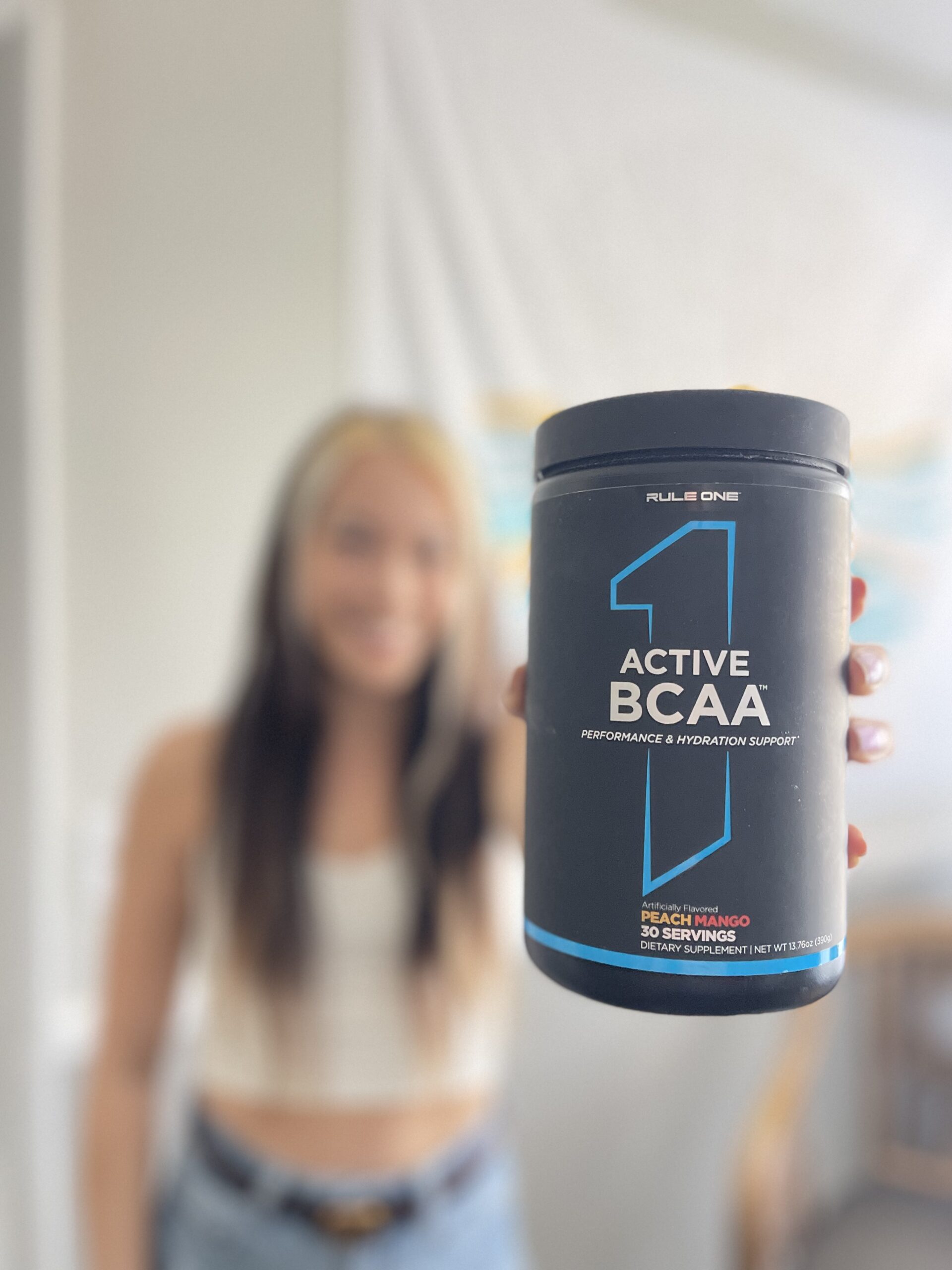
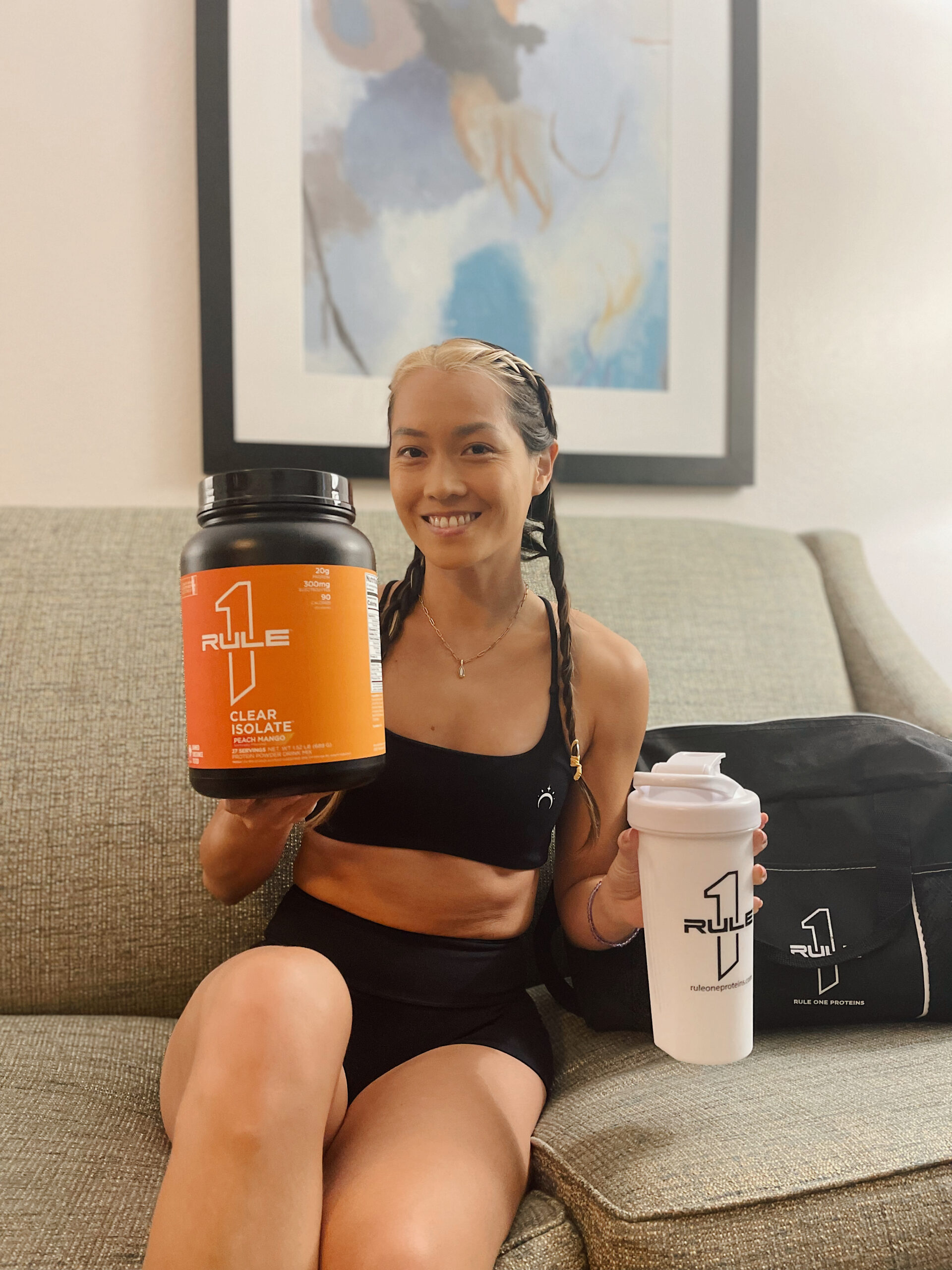
If you use Rule One Proteins, you can save by applying coupon code LILO at checkout. Use it as a supplement to your diet — not the foundation.
Pre-Workout vs Post-Workout Protein
You don’t need to obsess over the “anabolic window,” but post-workout protein still matters.
Aim for:
- 20–40g protein within 1–2 hours post-training
- Paired with carbs if performance or recovery is a priority
Consistency matters more than precision — but skipping protein entirely after training is a missed opportunity.
Protein Before Bed: Underrated for Recovery
One of the most overlooked strategies for people in their 30s is pre-sleep protein.
Consuming 20–30g protein before bed can:
- Support overnight muscle repair
- Reduce morning soreness
- Improve recovery during high-stress periods
This doesn’t need to be complicated — Greek yogurt, cottage cheese, or a slow-digesting protein option works well.
Common Protein Mistakes to Avoid
- Only eating protein at dinner
- Skipping protein at breakfast
- Under-eating during fat loss
- Relying on shakes instead of food
- Overcomplicating timing instead of consistency
The goal isn’t perfection — it’s reliability.
Building a Sustainable Protein Habit
The most successful people in their 30s aren’t extreme — they’re consistent.
Simple habits that work:
- Protein-based breakfast
- Pre-planned snacks
- One protein shake per day max
- Tracking for awareness, not obsession
Protein is not a trend — it’s insurance for your future strength, mobility, and health.
Final Thoughts
Your 30s are not about doing more — they’re about doing what matters.
Getting enough protein, spreading it throughout the day, and supporting recovery intelligently can dramatically change how you feel, train, and age.
You don’t need perfection. You need consistency.
Build habits now that your 40-year-old self will thank you for.