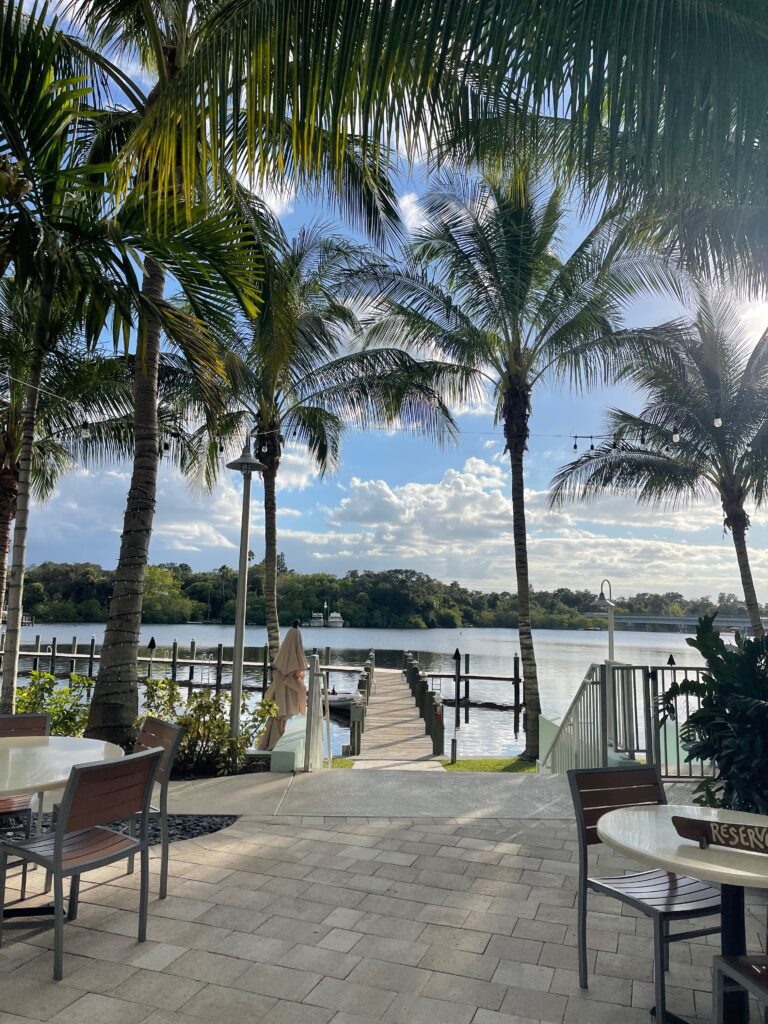



Hey friends, it’s Lizzie! People ask me all the time why I am so attached to living on the Space Coast, and the honest answer is that it has shaped what my entire 30s look like — in the best way.
This is not a relocation guide. It is just an honest look at why this particular stretch of Florida coastline has become the backdrop for the decade I keep telling you is the best one.
The Pace Matches the Decade
Your 30s are when the frantic energy of your 20s starts to settle into something steadier, and living near the water has a way of matching that shift. Mornings here are slower. Evenings end earlier. There is less pressure to be somewhere impressive and more permission to just be somewhere calm.
Outdoor Life Is the Default, Not the Exception
Between the beach, the year-round warm weather, and the sheer number of outdoor activities within a short drive, staying active here does not feel like a discipline — it feels like the obvious thing to do. My kickboxing training, my new attempt at golf, even just walking outside instead of scrolling — all of it is easier when the weather cooperates almost every day of the year.
A Slower Social Rhythm
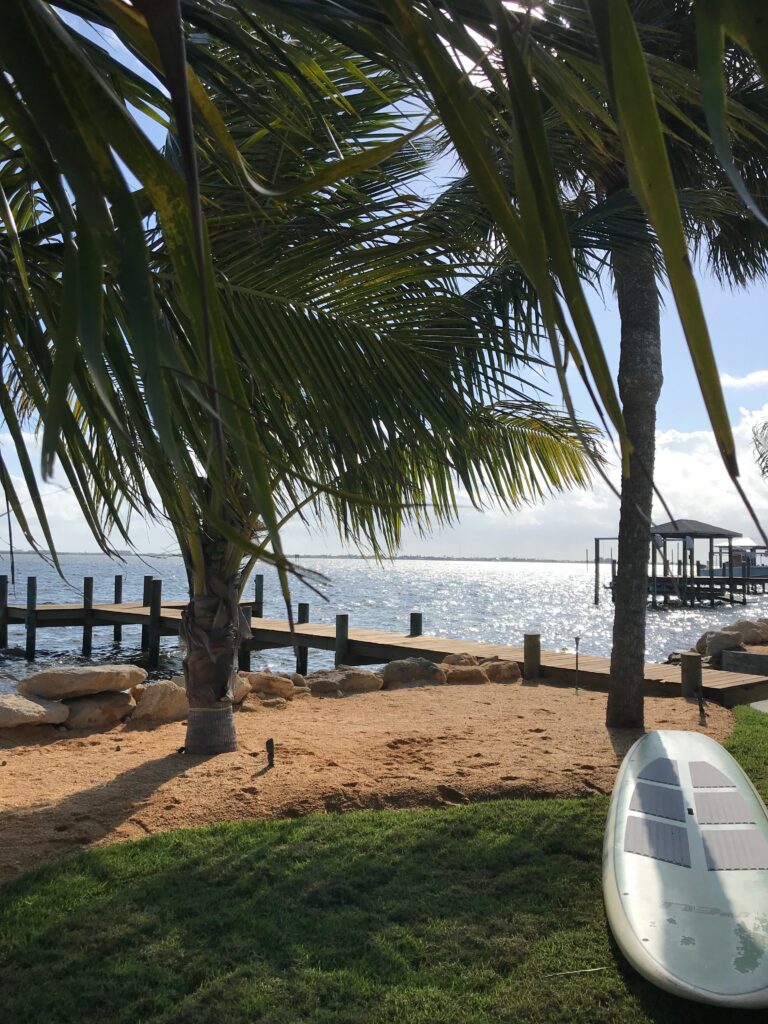
Coastal living tends to trade a packed social calendar for a smaller number of people you actually see often. In your 30s, that trade is usually a good one. Quality over quantity applies to your circle just as much as everything else.

Space to Actually Reset
Water has a strange effect on stress that I do not fully understand but will not argue with. Some of my clearest thinking happens on ordinary walks along the coast, not during anything I planned as a “wellness practice.” Sometimes the reset you need is just proximity to the ocean, not a routine.
It Is Not About the Location, It Is About What the Location Makes Room For
I do not think the Space Coast itself is magic. I think what it does is remove a lot of noise — less rush, more outdoor time, a smaller circle — and that makes room for the parts of your 30s that actually matter. You could build that anywhere. This just happens to be where I built it.
The Trade-Offs Nobody Mentions
Being honest, because a place isn’t right for everyone and I’d rather you know going in. Summer here is genuinely hot and humid from roughly June through September, and it’s not the kind of heat you push through — it restructures your day. You move things to early morning or evening, and you make peace with that.
Hurricane season is real and it’s a logistics reality, not a dramatic one. You keep supplies, you watch the forecast in the fall, and most years nothing much happens. But it’s a thing you factor in, and anyone who tells you otherwise is selling something.
The other trade-off is that we’re not a major metro. If you need a dozen dinner options within walking distance and a direct flight to anywhere, this isn’t that. What you get instead is space and quiet, and whether that’s a trade-off or the whole point depends entirely on you.
What a Normal Week Actually Looks Like
The romanticized version of coastal living is all sunrises and beach days. The real version is more ordinary and, honestly, better. A weekday might mean training in the morning, working through the middle of the day, and getting outside again when it cools off. The beach isn’t an event you plan — it’s twenty minutes at the end of a normal day.
That’s the actual shift living here creates. Outdoor time stops being something you schedule and becomes something you fit into gaps, which means it happens far more often.
Who the Space Coast Is Genuinely Right For
If you want quiet mornings, easy access to water, and a slower social pace where plans are casual rather than booked three weeks out, it fits well. It’s also good if you work remotely or have a flexible schedule, because you can actually use the daylight hours the climate gives you.
It’s less right if you’re in a career that needs a dense professional network in person, or if you get restless without a lot of options. Neither is a flaw — they’re just different lives.
If You’re Thinking About Visiting First
Come outside of spring break and outside of a launch week if you want to see what it’s actually like day to day. Stay for more than a weekend if you can, and spend at least one weekday here rather than only weekend time — a place feels completely different on a Tuesday.
Drive around more than one town rather than just the beachfront. The character shifts noticeably from one community to the next, and the version of the Space Coast you’d actually live in probably isn’t the one on the postcard.
Cost of Living, Realistically
Being straightforward since this is usually the deciding factor. Florida has no state income tax, which is a genuine benefit that people cite constantly — but insurance costs here have risen sharply, and that offsets more of the savings than the tax headline suggests. Run both numbers, not just the one that sounds good.
Housing varies enormously between beachside and inland even a few miles apart. If budget matters, looking slightly inland usually buys you significantly more space, and you’re still minutes from the water.
If you want to go deeper: what living here taught me about slowing down.
Your Questions, Answered
Where exactly is the Space Coast? It is the stretch of Florida’s Atlantic coast in Brevard County, running roughly from Titusville down through Melbourne, named for its proximity to Cape Canaveral.
Is it expensive to live there? It has historically been more affordable than South Florida, though costs have risen along with the rest of the state. Compared to Miami or Naples it still reads reasonable.
Can you actually see rocket launches from there? Yes, and it genuinely does not get old. Launches from Cape Canaveral are visible up and down the coastline, and locals still stop what they are doing to watch.
Is it expensive to live on the Space Coast? It has historically been more affordable than South Florida, though costs have risen along with the rest of the state. Compared to Miami or Naples it still reads reasonable.