


This post contains affiliate links. If you shop through them I may earn a small commission at no extra cost to you — I only ever recommend what I genuinely use and love. 💛
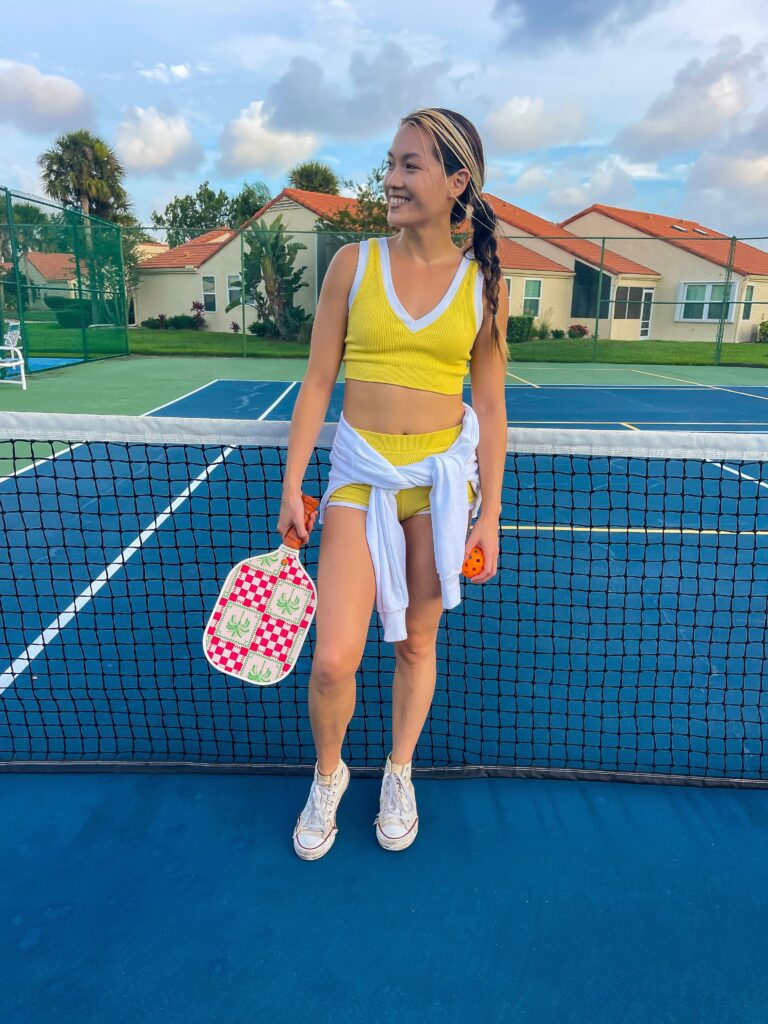
Hey friends, it’s Lizzie! Somewhere in the last year, “Friday” quietly stopped meaning takeout and a couch and started meaning pickleball. Not every Friday, but enough of them that it’s become a real thing my friends and I say out loud — “is it a Friday pickleball week?” — like it’s an actual recurring event on a calendar instead of something that just kept happening until it became a tradition.
How a Random Habit Turns Into an Actual Tradition
It never got announced or planned out in advance. It just kept happening enough times in a row that eventually somebody said “same time next week?” and everyone said yes without thinking about it. That’s honestly the whole secret to how most standing traditions start in your 30s — nobody sits down and designs them, they just survive being repeated a few times until skipping one feels wrong.
Why Friday Specifically Works
Friday sits in this perfect spot where the work week is basically over but the weekend hasn’t fully started, so nobody’s precious about the time slot yet. It’s active enough to feel like you did something with your evening instead of just decompressing, but social enough that it doesn’t feel like a workout you’re forcing yourself into. And there’s something about ending the week hitting a ball around and laughing at bad shots that resets you better than a happy hour does.
The Gear That Makes It Effortless
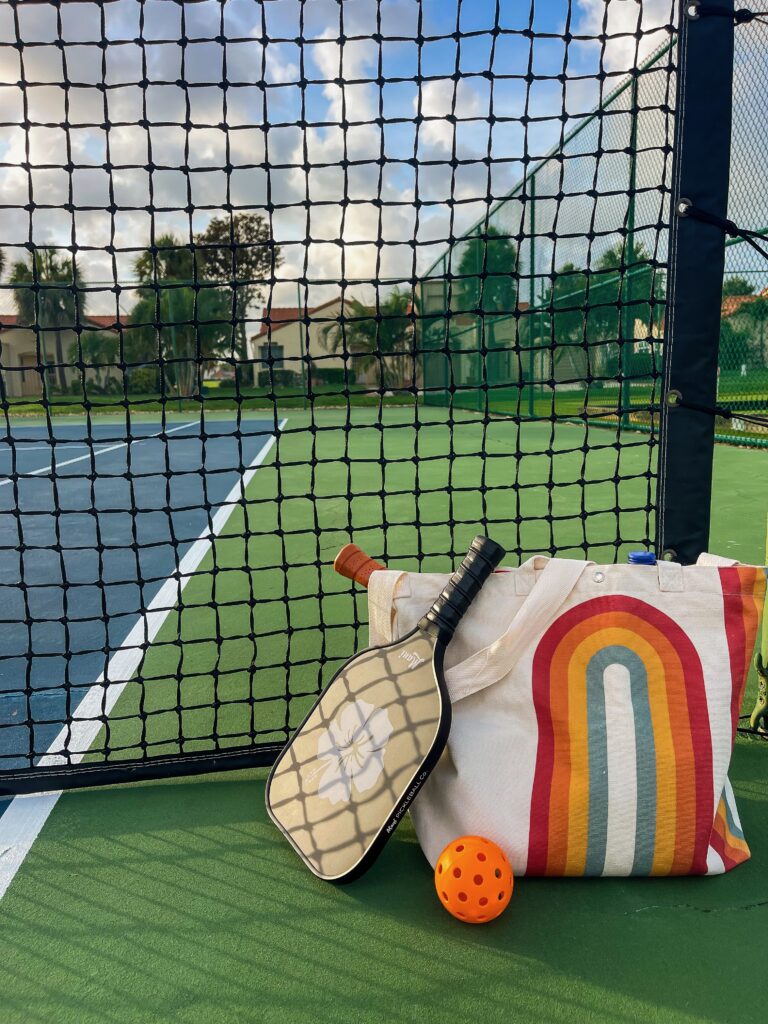
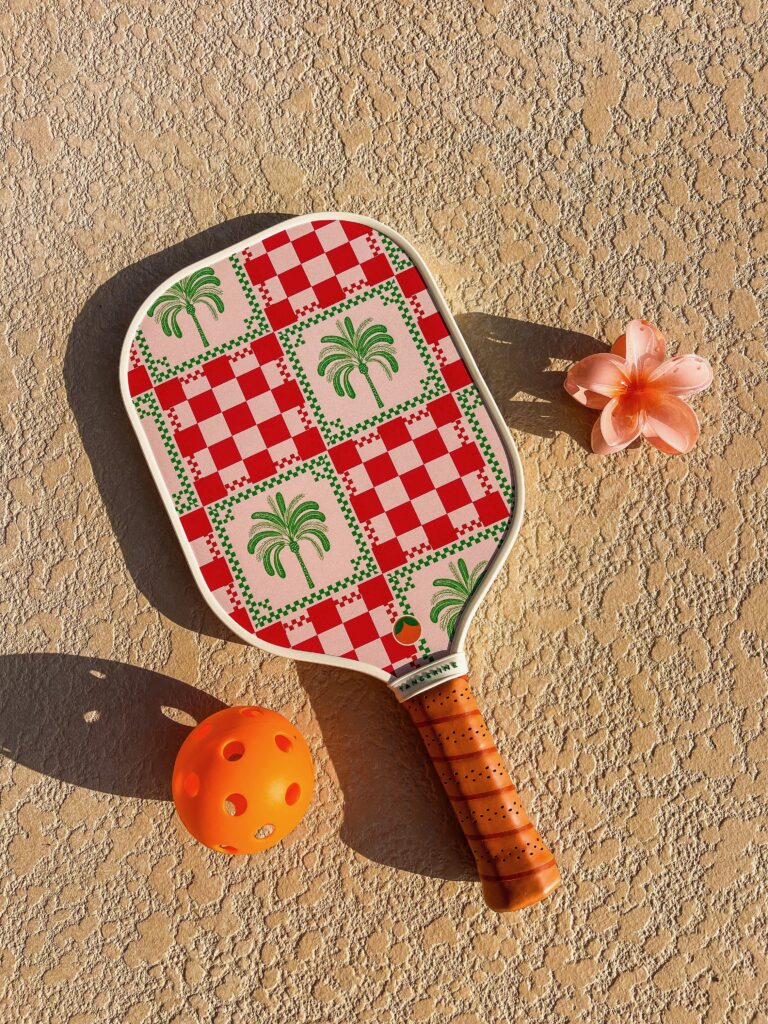
I’ll be honest, the easiest way to keep a standing thing standing is to remove friction from it — which is basically the whole pitch behind Friday Pickleball as a paddle brand (yes, the name is exactly the coincidence you think it is, and yes, I think it’s funny too). Their lineup runs from a $69 beginner paddle up to a $169 power paddle, so nobody in the group has to drop real money before they know if this is becoming a habit. Use code ELIZABETH24253 if you’re gearing up. I broke down the full lineup and which one to get in my Friday Pickleball review if you want the details.
What We Actually Do After
This is the part that matters more than the pickleball, honestly. Nobody just leaves after the last game. It’s usually food somewhere close by, still sweaty, still in whatever we played in, because the point stopped being about the sport a while ago and became about the two hours of actually being in the same place as people I like. The games are the excuse. The after is the reason it stuck.
How to Start Your Own Standing Thing
Pick any low-stakes activity your people already sort of enjoy, put an actual day of the week on it instead of a vague “we should do this again,” and give it permission to be imperfect — not everyone shows up every time, and that’s fine. The habit doesn’t need full attendance to survive, it just needs to keep existing as an option. I wrote more about the mechanics of actually starting new things (and making them stick) if you want the fuller version of this idea applied beyond pickleball.
The Unspoken Rules That Keep It Going
A few things I’ve noticed keep a standing pickleball night from quietly dying, the way most group plans eventually do. Nobody apologizes for skipping — you just show up next time. Nobody makes it a whole production to plan; it’s the same day, same rough time, same court most weeks, so there’s nothing to coordinate beyond a “you in?” text. And nobody keeps score too seriously. The second it starts feeling like actual competitive pickleball instead of an excuse to see people, some of the fun leaves the room.
What I’d Tell Someone Trying to Start This
Don’t wait for a perfect group of six committed people before you start. Ours began with two of us and a borrowed paddle, and it grew because it kept happening, not because it launched big. Pick one Friday, invite whoever’s around, and don’t overthink whether it’ll become a real tradition — you can’t actually know that in advance. You just do it enough times and eventually it either sticks or it doesn’t, and either way you had a decent Friday.
Starting Your Own Standing Thing
The mechanics matter more than the activity. Pick one day and keep it fixed — a rotating schedule dies within a month because it turns into a negotiation every week. Make it recurring by default so nobody has to organize it, and let it happen with whoever shows up rather than waiting for full attendance.
The single biggest killer of a standing plan is treating low turnout as failure. Two people is still the tradition happening. Cancel it a few times because only two could make it and you’ve quietly taught everyone it’s optional.
What to Do When It Starts to Fade
Every standing plan hits a stretch where attendance drops — someone’s schedule changes, a season gets busy. That’s normal and it isn’t a sign to end it.
What works is lowering the bar temporarily rather than pausing. Shorter session, skip the after part, meet anyway. A tradition survives on continuity more than on quality, and it’s much easier to keep something alive than to restart it three months later.
Your Questions, Answered
Do you need to be good at pickleball to make this work? No — if anything, everyone being mediocre together is part of why it’s fun. A skill-mismatched group gets competitive and less social fast.
How many people do you need for a standing pickleball night? Four works cleanly for doubles, but honestly anywhere from four to eight is fine since people rotate in and out over the two hours.
What if our group can’t commit to every single Friday? That’s normal and fine. Ours isn’t every week either — it just happens often enough that it feels like a thing, not a chore. Consistency matters more than perfection.
🏓 My Friday Pickleball code: ELIZABETH24253 — beginner-friendly paddles that don’t ask you to commit $150 before you know you’re hooked. Shop Friday Pickleball →
Now tell me, friends: does your friend group have a standing thing, pickleball or otherwise? Drop it in the comments. Come find me on Instagram @sealillly. Love you, mean it. ✨