


Hey friends, it’s Lizzie! I’ve been splitting time between Florida and Pittsburgh lately, and the thing that used to fall apart first when I travelled was training. Not because there’s no time — because the setup changes and the routine you rely on stops existing. Here’s what actually works for me now.
Lower the Bar Before You Leave
The mistake I made for years was trying to run my normal week somewhere that isn’t built for it, then feeling like I’d failed by day three and quitting entirely for the trip.
What works better is deciding in advance what “enough” looks like while you’re away. Two sessions instead of five. Twenty minutes instead of an hour. That’s not lowering your standards — it’s setting a target you’ll actually hit, which keeps the habit alive so you’re not restarting from zero when you get home.
Hotel Gyms Are Usually Worse Than You Hope
Being realistic: most hotel gyms are two treadmills, a bike, and dumbbells that stop around 40 pounds. Occasionally you get lucky. Usually you don’t.
So the useful move is checking before you book rather than being disappointed on arrival. Photos on the hotel’s site are usually flattering, but recent guest photos in reviews tend to be honest. And if the gym is genuinely bad, knowing that in advance lets you plan around it instead of losing a morning to finding out.
What I Actually Do With Limited Equipment
The stuff that travels well is the stuff that needs almost nothing. Bodyweight work covers a lot more than people give it credit for, and a set of moderate dumbbells plus your own bodyweight is genuinely enough to maintain what you’ve built.
The word there is maintain. A week or two away isn’t when you’re making progress, and trying to force progress in a bad setup is how you end up frustrated. Hold the line, come home, resume.
The Thing I Always Pack
Hand wraps, always. They weigh nothing, they take up no space, and if I find a gym with a bag, I can train properly instead of improvising. That’s happened often enough to justify permanently keeping a pair in my suitcase.
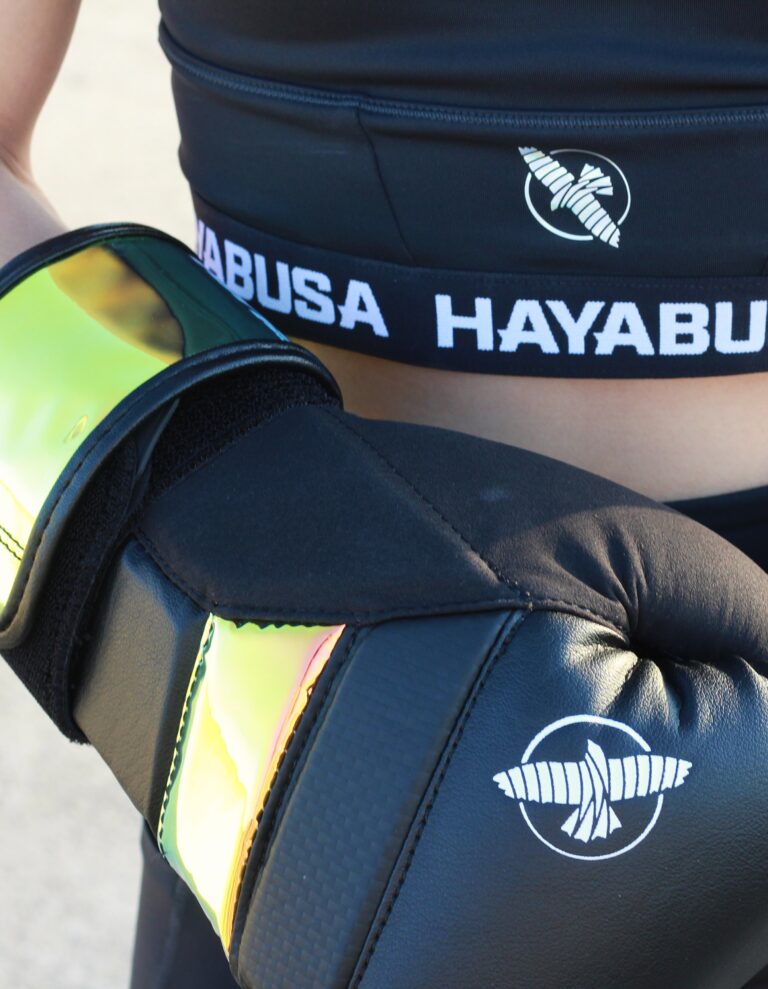
Gloves are the harder call — they’re bulky and they only pay off if there’s actually a bag where you’re going. If I know there’s a gym I can drop into, they come. If I’m guessing, they stay home and I make do.
Drop-In Classes Are Underrated
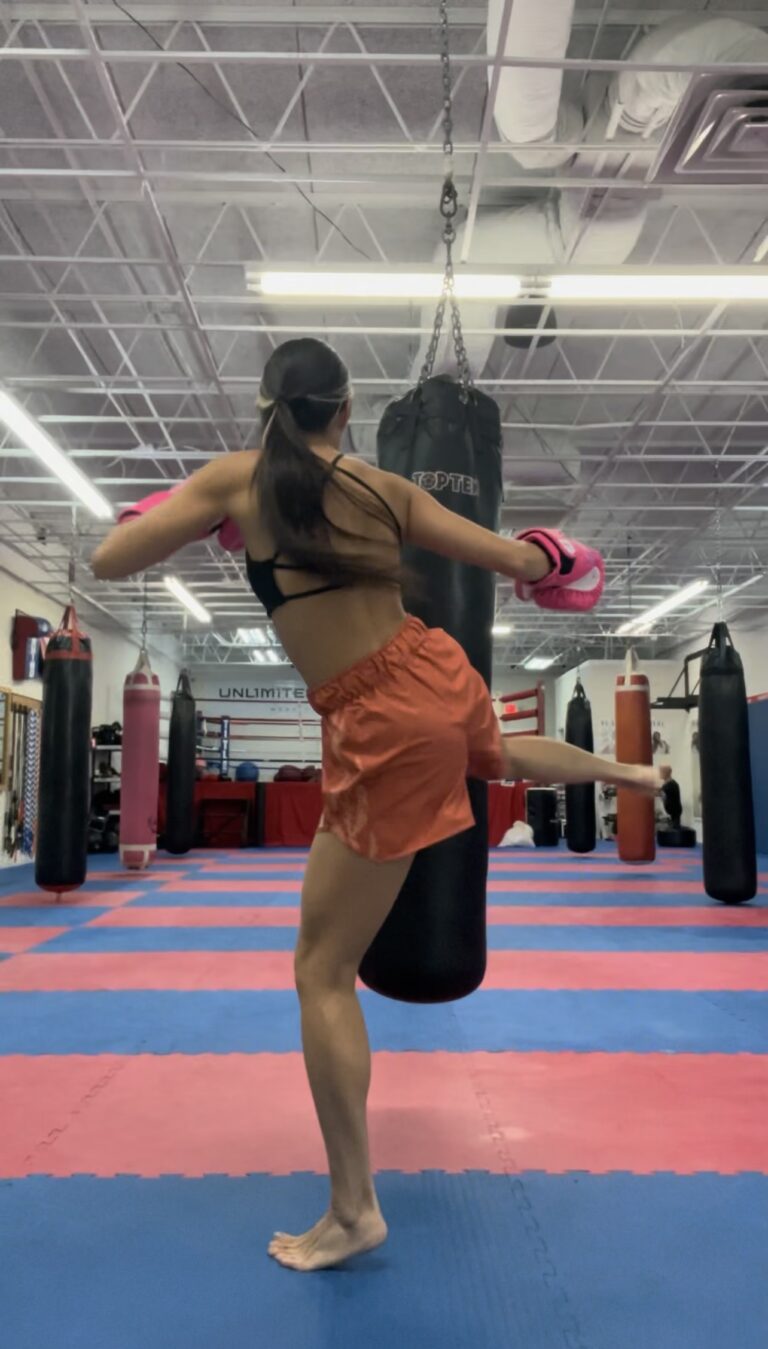
This is my favorite thing about training somewhere new, and it took me too long to start doing it. Most kickboxing and boxing gyms take drop-ins for a reasonable single-class fee, and you get a proper session with actual equipment and a coach instead of a sad hotel treadmill.
It’s also just a good way to see a place. You end up somewhere tourists don’t go, meeting people who live there. Email ahead rather than turning up — most gyms will tell you exactly what to bring and whether the class suits a visitor.
Walking Counts More Than You Think
Travel days tend to involve a lot of walking anyway, and there’s no reason to discount that just because it wasn’t a workout you planned. If you’ve spent a day on your feet exploring somewhere, that’s a genuinely active day.
Some of my best movement while travelling hasn’t been in a gym at all — it’s been long walks somewhere new, which is both training and the actual point of being there.
What to Do When It All Falls Apart
Sometimes the trip is packed, the gym is closed, the days get away from you, and you train zero times. Genuinely fine.
The only thing that matters is what happens on day one back. Not a punishing catch-up session — just your normal session, at your normal time. The people who lose months are the ones who treat a missed week as evidence they’ve fallen off, rather than as a week they were busy.
Time Zones Change Everything
If you’ve crossed a few time zones, your usual training slot may land at a genuinely stupid hour for the first couple of days. Fighting that rarely works.
What’s worked better for me is training whenever the energy actually shows up in those first days rather than defending the schedule. Once you’ve adjusted, the normal slot comes back on its own. Trying to force a 6am session on day one of a big shift usually just produces a bad session and a worse mood.
Eating on the Road Without Overthinking It
I’m not going to give you nutrition rules — I’m not qualified to, and what works varies enormously between people. What I’ll say practically is that the thing that trips me up travelling isn’t food quality, it’s timing: long gaps, then a big meal, then trying to train on top of it.
Keeping something simple in my bag so I’m not going six hours without eating solves most of that for me. If you have specific dietary needs or you’re managing a health condition, that’s a conversation for a professional rather than a blog.
Booking With Training in Mind
Once training became a non-negotiable rather than a nice-to-have, it started influencing where I book. Not dramatically — I’m not picking hotels solely on their gym — but if two options are otherwise equal and one is walking distance from a boxing gym or a decent park, that’s an easy tiebreaker.
It’s a small filter that removes a lot of friction later. The trips where I train are almost always the ones where it was easy, not the ones where I was disciplined.
Longer Trips Are a Different Problem
A long weekend you can coast through. Anything past about two weeks and “maintain” stops being a plan, because you’ll genuinely start losing conditioning and the habit gets shaky.
For longer stretches it’s worth setting something up properly — a short-term gym membership, a drop-in pass somewhere local, or a routine that doesn’t need equipment at all. Treating a month away like an extended holiday from training is how people end up restarting from scratch.
Your Questions, Answered
Will I lose progress if I don’t train for a week? A week off is not going to undo the work you’ve put in. The bigger risk is the habit breaking, which is why getting back to your normal routine promptly matters more than trying to make up sessions.
Are hotel gyms worth using? Sometimes. They’re usually limited — a couple of cardio machines and light dumbbells — so check recent guest photos before you count on one. A local drop-in class is often the better option.
What’s worth packing for training? Hand wraps if you train combat sports, since they weigh nothing and open up any gym with a bag. Beyond that, shoes and something to train in. Most other gear isn’t worth the suitcase space unless you know exactly what’s waiting for you.