

Heads up, friends: this post has affiliate links, and if you shop with my code I may earn a little something at no extra cost to you. I only ever share what I genuinely love. 💛
Hey friends, it's Lizzie! If you take one thing seriously in your training wardrobe, make it the sports bra. For kickboxing, running, HIIT — anything high-impact — the right one is the difference between a great session and a distracting, uncomfortable one. Here's exactly what to look for.
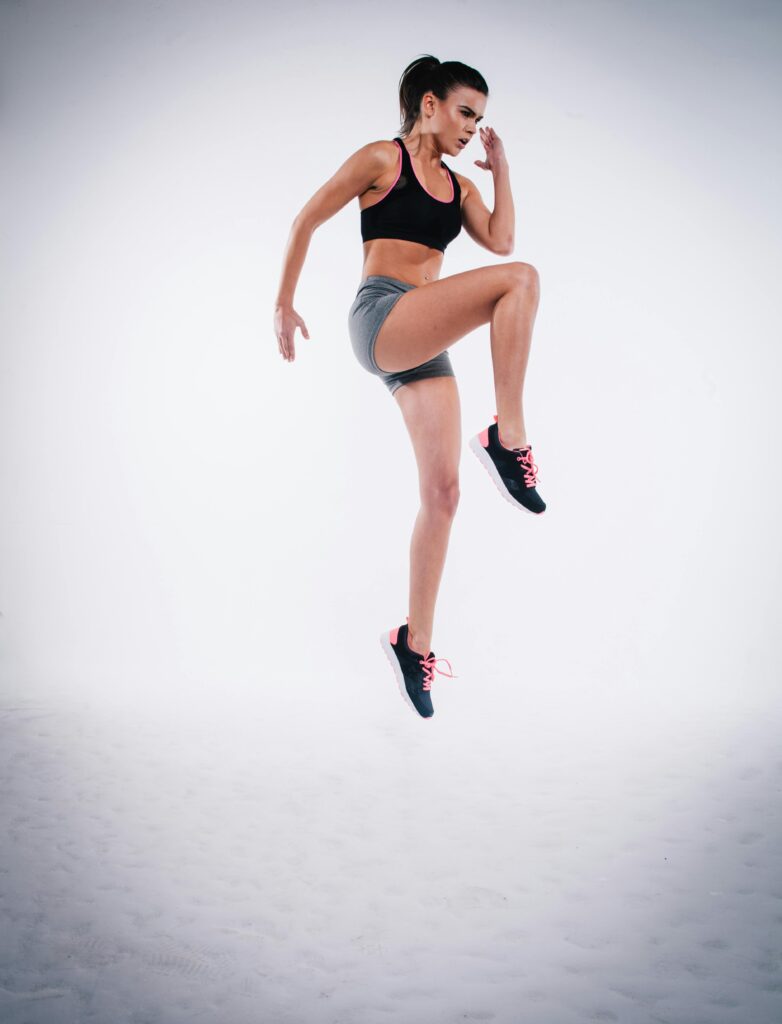
Why High-Impact Is a Different Category
“Low-impact” bras are made for yoga and lifting — movements where there's not much bounce. High-impact training is a whole different demand: jumping, sprinting, throwing combinations. That calls for real support and structure, not a stretchy bralette that's cute but gives out after one round.
What to Look For
- Encapsulation or compression that actually holds. The more impact, the more support you need — don't size up hoping it'll be comfier; a too-loose band supports nothing.
- A wide, snug underband. Most of the support comes from the band, not the straps. It should be firm without digging.
- Secure or adjustable straps that won't slide off your shoulders mid-combination.
- Enough coverage that you never think about it once class starts.
- Moisture-wicking fabric — high-impact means sweat, and you want it moving away from your skin.
Common Mistakes
The two big ones: buying a band that's too loose (it looks comfier on the hanger but does nothing under impact), and training in a bra that's worn out. Elastic dies — if the band has gone soft or the support feels gone, it's done, no matter how much you love it. Rotate two so you're never stuck training in a dead one.
Care So It Lasts
Hand-wash or use a delicates bag, skip the dryer (heat kills elastic), and let it air dry. That alone doubles the life of a good bra. Treat it well and it'll support you for a long time.
Getting the Size Right
Fit is where most people go wrong, so here's the quick version. Support comes mostly from the band, so it should feel snug and stay level around your ribcage — if it rides up in back, the band's too big. The cups should fully contain with no spillage and no gaping. And resist the urge to size up for “comfort”: a loose high-impact bra is just an uncomfortable one that doesn't support. Snug band, secure cups, straps that don't dig — that's the trifecta.
When to Replace It
Sports bras are consumables, not forever pieces. Signs yours is done: the band has gone soft and no longer feels supportive, the straps have stretched out, or you're noticing bounce you didn't before. For someone training regularly, most high-impact bras last around 6–12 months before the elastic gives. When it's gone, it's gone — your body will feel the difference immediately once you replace it. Protecting your comfort and your training is worth the swap. 🥊
The Seam Thing Nobody Warns You About
Real talk: support gets all the attention, but the thing that actually ruins a bra for me mid-session is a seam sitting in the wrong spot. When you’re throwing combinations round after round, a thick seam right under the arm or across the ribs starts to rub. You don’t notice it in the fitting room. You notice it deep into pad work when your skin is damp and everything is moving.
So when I’m checking a new bra, I run my fingers along the inside first. Here’s what I look for:
- Flat, bonded seams instead of thick raised stitching, especially anywhere your arm swings past
- A soft, wide underband with no scratchy edge where it meets your ribs
- Straps that lie flat and don’t dig a line into your shoulders when you reach overhead
- Tags that are printed on, not sewn in (a tiny thing that saves you a lot of fidgeting)
This is exactly why I stick with gear built for combat sports. The Athena pieces I train in are cut for a body that’s constantly twisting and punching, not standing still, and the seams stay out of the way. If you want the full breakdown, I go deeper in my full Athena Fightwear review (code SEALILLLY).
Zip Front or Pull Over? It Matters More Than You Think
Here’s the thing nobody thinks about until they’re standing in a gym bathroom trying to peel off a soaked sports bra: how the thing actually comes on and off. A high-support bra is supposed to be snug, which is great for training and genuinely a workout to remove when you’re drenched and your arms are jelly.
Pullover styles usually give you that clean, no-hardware feel with nothing to dig in when you’re throwing punches, and honestly they’re my default. The trade-off is the wrestling match afterward. Front-zip styles are so much easier to get out of, but a cheap zipper can press against your sternum, so I only trust one if the zip is backed by fabric and tucks flat. If you tend to train hard and then rush straight to the next thing, that easy-off factor is worth weighing before you buy, not after.
My honest take: pick based on your real routine, not the product photo. And if you’re building out a whole training kit, I put the rest of my picks together in my workout clothes for kickboxing guide.
🥊 What I train in: Athena Fightwear
Combat apparel actually designed for women's bodies — not men's gear shrunk down. Stays put through every combination. Code SEALILLLY at checkout.
The Fightwear Advantage
For combat sports specifically, I reach for apparel built for women's bodies — the support and strap placement are designed for exactly this kind of movement, so nothing shifts when I'm throwing combinations. If you're pulling your kickboxing kit together, my workout clothes for kickboxing guide covers the rest head to toe. Support first, always, friends. 🥊💛
Your Questions, Answered
What should I look for in a high-impact sports bra? Real encapsulation or firm compression, wide adjustable straps, and a band that stays put. Band fit does most of the support work, not the straps.
How do I know if my sports bra fits? The band should be snug enough that it does not ride up when you raise your arms, and you should not be spilling out at the edges when you move.
How often should I replace sports bras? Once the band loses its stretch and no longer holds, usually somewhere around a year of regular use and washing. Support degrades before the fabric looks worn.