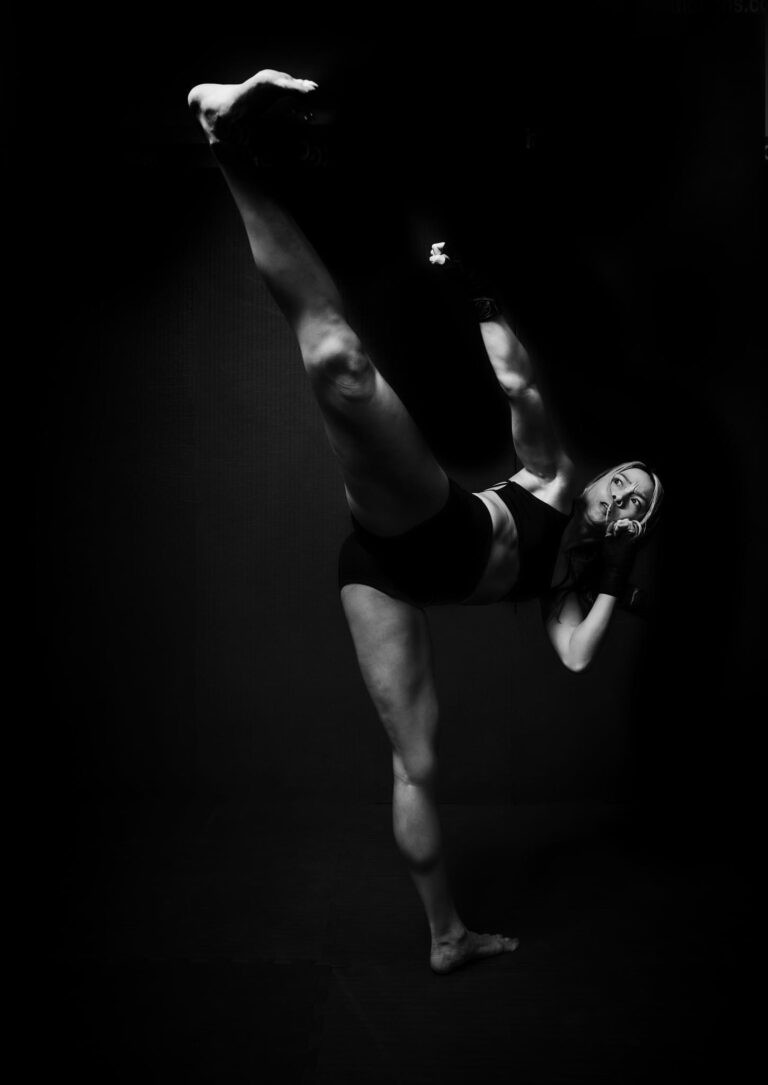



Hey friends, it's Lizzie! Most of us set fitness goals the same way: a number on a scale, a number on a barbell, a date on a calendar. Then we hit them, or not, and feel roughly the same either way. Somewhere in my 30s I stopped setting them entirely, and I've trained more consistently since than I ever did while chasing a target. Here is what I track instead, and why it works better for a body and a life that don't run on deadlines.
Why goals stopped working for me
A goal has an end, and the end was always the problem. Hit it, and the reason to train evaporated. Miss it, and the whole stretch felt like failure even when I'd trained well. Goals also ask a body to perform on a schedule, and a 30s body recovers on its own timeline. The goal never made me show up on a Tuesday. Something else did.
What I track instead
- Did I go? The only number I write down. Not how hard, not how long. Sessions kept, per week. Consistency is the whole sport, and this is consistency made visible.
- Am I better than three months ago? Not better than last week, which is noise, and not better than the person next to me, which is poison. A cleaner kick, a combination you could not complete smoothly a season ago, a round you'd have gassed in before. Three months is long enough to see it.
- What did the coach correct? A note is progress information. When the notes get smaller, I'm improving. If feedback stops, I can ask what to work on next instead of assuming why.
- How do I feel on the drive home? Satisfied and able to recover is more useful than chasing exhaustion. Persistent pain, unusual fatigue or symptoms that worry me are reasons to stop, adjust the plan and get appropriate advice, rather than wait two weeks to act.
- Did I do the fun thing? Pickleball, a range bucket, a beach walk. If a week has only hard things in it, the next one won't happen.
What happened when I stopped
I trained more. That's the whole finding. Without a finish line there was nothing to finish, and without a deadline there was nothing to fail, so I just kept going to class. The wins arrived anyway, unannounced, in small technical moments rather than milestones. None of them were on a calendar. All of them were the result of the boring number: I went.
The scale, specifically
Real talk: kickboxing is a great way to stop asking your body to be smaller. Chasing strong instead of small is one of the biggest gifts the sport gives. A scale can't measure a clean roundhouse or a calm sparring round, and those are the things I actually want. I wrote about the body side in loving your body in your 30s, and it's the honest version.
What I'd say to the goal-setters
If goals work for you, keep them. Some people need the finish line. But if you've noticed that every goal ends in either a lapse or a feeling of failure, try one month of tracking only whether you went. It's so low a bar that you'll clear it, and clearing it for a month is the first real fitness win most of us have had in years. The next month, add “better than three months ago?” and see what shows up.
The one exception
A date that isn't a goal: my first eighteen holes of golf is on the calendar, and I'm preparing for it with range buckets. That's not a target to hit, it's an event to enjoy, and the difference matters. I won't score it. I'll just find out whether the buckets turned into a day I loved. That's the only kind of deadline I keep now.
How it fits the rest of the week
Untracked, mostly. Kickboxing, beach walks, pickleball, rest on purpose. None of it aimed at anything. All of it adding up to a decade in a sport I love and a body I trust. If you want the shape of it, my real week is written down, and there isn't a goal in it.
The quarterly check, in practice
Every three months, one coffee, one page. What can I do now that I couldn't in the summer? What did the coach stop correcting? What did I dread three months ago that I look forward to now? Those three questions catch progress that a scale or a stopwatch never sees, and the answers are almost always more than I expected, because progress is quiet and daily and easy to miss when you're inside it.
What I'd say to my younger self about this
You're about to spend years setting goals you'll hit and feel nothing about, or miss and feel terrible about. Skip it. Go to class. Write down that you went. In ten years you'll have a body you trust, a sport you love and a calm sparring round, and none of it will have been on a list. The list was never the thing that got you there. Showing up was.
When a goal is actually useful
Real talk: a specific skill with a coach's help. “Land a clean switch kick on the pads” is the kind of goal that gets you through a month of falling over, because it's small, it's technical, and the coach can see it. That is a skill goal, and it can be useful without attaching it to a number or a deadline. If you keep goals, keep them that size.
One page, once a quarter
That's the whole system: did I go, am I better than three months ago, what did the coach correct, how did I feel on the drive home, did I do the fun thing. No app, no scale, no deadline. It fits on a note in your phone and takes about ten minutes every three months.
Your Questions, Answered
Should you set fitness goals in your 30s? If they work for you, yes. If every goal ends in a lapse or a feeling of failure, try tracking whether you went, whether you are better than three months ago, and what your coach corrected instead.
How do you measure progress in kickboxing without goals? Compare your technique over time: a cleaner kick, a combination you could not complete smoothly last season, or a round that feels more manageable. Ask your coach what is improving and what to work on next; progress does not follow a fixed three-month timetable.
What should you track instead of weight? Sessions kept per week, how you feel on the drive home, whether you did something fun, and whether you are better than you were three months ago. None of those need a scale.
Related reading
- On Loving Your Body in Your 30s (A Fighter’s Honest Take)
- How Long Does It Take to Get Good at Kickboxing?
- What a Week of Training Looks Like for Me in My 30s
- How I Stay Consistent With Kickboxing When Life Gets Loud
- The Questions I Wish I’d Asked My First Kickboxing Coach
- The 5 Notes That Still Come Up After 10 Years of Kickboxing