



Hey friends, it's Lizzie! My sister talked me into my first kickboxing class, I hated it, and I spent the whole class too overwhelmed to ask a single question. Ten years later I know exactly what I should have asked that first coach, and what would have made the first year faster and kinder. If you're about to walk into a gym for the first time, here are the questions, and the honest answers I eventually found.
“What should I actually be able to do in a month?”
Wrap my own hands, hold a stance, throw a one-two without looking at my feet. That's it. It's easy to spend the first month thinking you should be able to do everything the room is doing and feeling like a failure every class. A coach would have told me the bar was that low, and I'd have cleared it happily. The whole timeline is in how long it takes to get good.
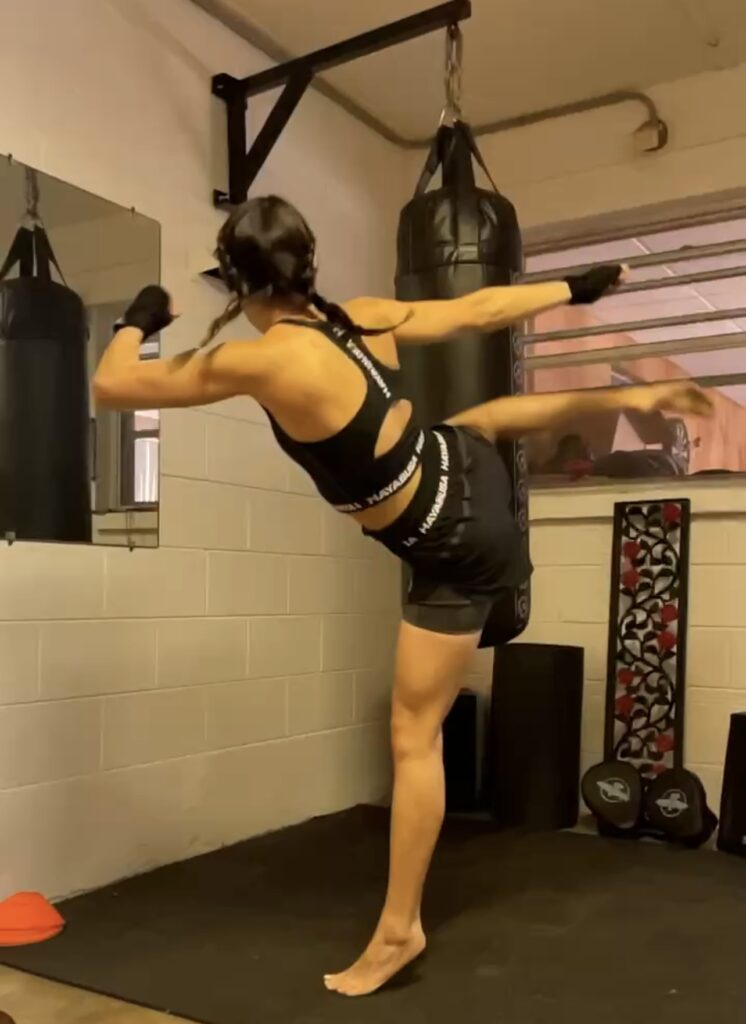
“Which gloves does this gym want me in?”
Every gym has preferences: a weight for bag work, a weight for sparring, velcro or laces. Plenty of beginners buy the wrong pair because they guess. One question at the desk saves months and money. And the follow-up nobody asks: “Can I keep borrowing the gym's for a few weeks?” Ask how long loaner gloves are available, whether there is a fee, and how they are cleaned. Policies vary by gym.
“What do you correct most, and can you show me once?”
Hands, chin, breath, shoulders, feet. Every beginner gets the same five notes, and I'd have loved to know that in week one instead of discovering each as a personal failing. A coach who'll show you the fix once in person, not shout it across the room, is worth choosing a gym for. I wrote the five down in the five notes every kickboxer gets.
“When does sparring start, and is it optional?”
A lot of beginners do not ask this because they are nervous about the answer. Ask what contact the specific program involves, whether there is a non-contact option and how readiness is assessed. Look for a coach who respects your decision and explains the progression; pressure to spar before you have agreed is a reason to step back.
“Who should I partner with?”
A good coach pairs new people deliberately: with someone patient, someone who holds pads well, someone who goes light. Left to chance, beginners partner with whoever is nearest and learn mostly how to apologize. Ask, and the coach will steer you to the right people, which is also how you find your people at the gym at all.
“What should I do between classes?”
Five minutes of shadowboxing in front of a mirror, wrap practice, nothing fancy. A lot of beginners do nothing between classes and then wonder why every session feels like starting over. Teaching yourself new techniques from videos can be worse than doing nothing, because you end up unlearning things you practiced wrong. Ask, and do only that.
“Is it normal to hate this?”
A first class can feel overwhelming, but people react differently. Ask for a beginner-friendly pace and judge the gym by how it helps you learn rather than by a fixed number of classes. I went back because I liked the workout. You can give yourself time while still taking discomfort, pressure or unsafe instruction seriously.
“What's your rule for women in this room?”
I'd ask this one straight now, and the right answer is some version of “same as everyone: the coach controls intensity, partners go as light as you need, and nobody head-hunts a beginner.” A gym that gets awkward about the question is telling you something. The women who train there, by the way, will find you fast if you keep showing up; that part I did eventually learn.
The questions I'm glad I didn't need to ask
“Am I too old?” The answer would have been the same at any age: no. “Am I fit enough?” No, and it didn't matter; fitness is a side effect of showing up. “Will everyone be better than me?” Yes, for a while, and that is exactly what a beginner class is for.
What I'd tell you to do this week
Write three of these down, take them to your trial class, and ask them at the desk before the bell. A good gym answers them gladly. Then go to class knowing the bar for month one is low, the coach can explain what to work on, you have checked the contact policy, and one difficult class does not decide whether the sport suits you. It can take most of a year to learn what a five-minute conversation could tell you. Have the conversation.
“How do I know if this gym is right for me?”
I'd ask it straight now, and the honest coach answers with something like: give it a month at the same class time, see whether anyone corrects you and whether anyone talks to you, and if neither happens, try somewhere else. A coach who bristles at the question is answering it.
The question most people ask too late
“What should I stop doing?” Most of us ask what to do for years, and the answer is always more. Ask what to stop, and you might get the note that changes your sparring: stop throwing three things when one would land. Beginners collect techniques; the coach has been waiting to take some away. Ask which ones.
If someone is dragging you there
My sister is the reason I was there at all. If you've got someone dragging you to your first class, let them ask the questions. Then come back for the next class and ask your own.
Write them down before you go
Three questions on a phone note, asked at the desk before the bell. It takes two minutes and it changes the whole first month. If the coach is glad to answer, you've found a room worth a second class. If they aren't, you've learned that for the price of one drop-in, which is the cheapest lesson in the sport.
Your Questions, Answered
What should you ask a kickboxing coach as a beginner? What you should be able to do in a month, which gloves the gym wants you in, what they correct most, when sparring starts and whether it is optional, who to partner with, and what to do between classes. Ask at the desk before your first class.
Is it normal to hate your first kickboxing class? A first class can feel overwhelming, but not everyone dislikes it and there is no fixed class count for feeling comfortable. Ask for beginner support, notice how the coach responds and take pressure or unsafe instruction seriously.
Is sparring required in kickboxing? Ask the specific gym and program before joining. Look for a beginner option that respects your decision about contact, and discuss readiness and supervision with the coach. You should not be pressured into a round you have not agreed to.
Related reading
- How to Choose a Kickboxing Gym
- How Long Does It Take to Get Good at Kickboxing?
- The 5 Notes That Still Come Up After 10 Years of Kickboxing
- How to Find Your People at a Fight Gym
- Cardio Kickboxing vs Technique-Focused Classes: Which Fits Your Goal?
- Morning vs Evening Kickboxing Class: Which One I Pick (And How to Choose Yours)