

Heads up, friends: this post has affiliate links, including Amazon. As an Amazon Associate I earn from qualifying purchases, at no extra cost to you. I only ever share what I genuinely use and love. 💛
Hey friends, it’s Lizzie! Activewear stopped being just gym clothes a while ago — for a lot of us, it’s what we wear from the pickleball court to the coffee shop to picking up groceries without changing. So let’s talk about elevating it instead of just accepting “gym clothes” as the ceiling.
Heads up: a couple of links below are affiliate links, and I earn a small commission if you shop through them. No extra cost to you, and I only link brands I’d point a friend to.
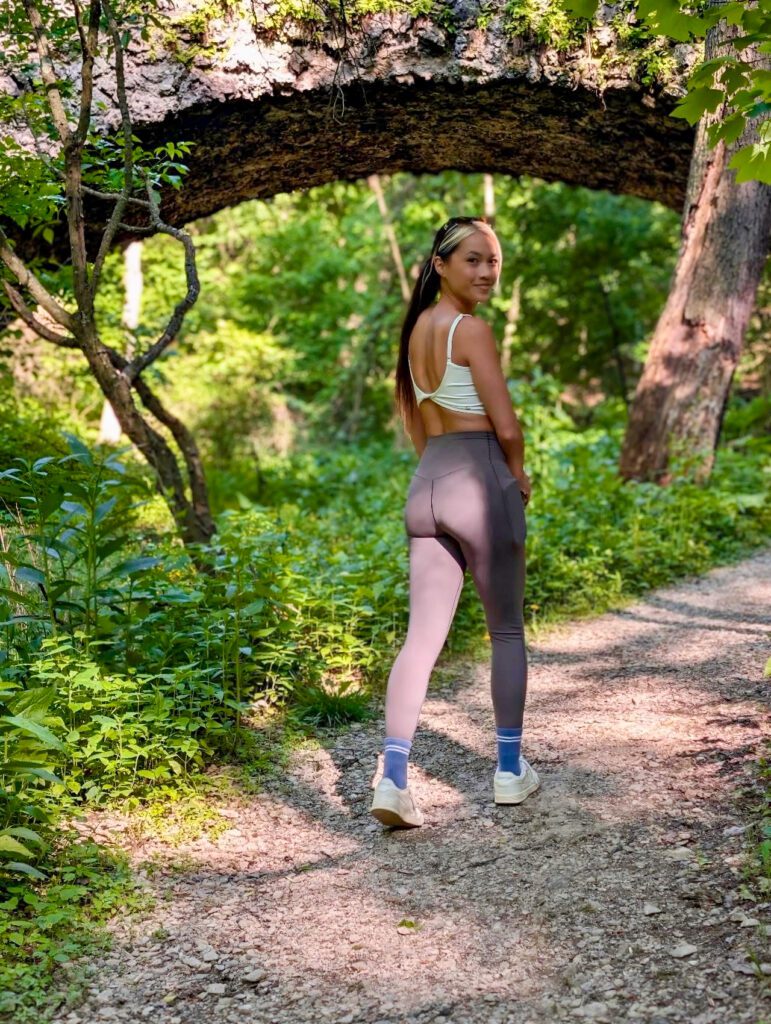
Fit Over Everything
The single biggest thing separating elevated activewear from generic gym clothes is fit, not price. A set that fits your body — not just technically covers it — reads intentional. Baggy-in-the-wrong-places or too-tight activewear reads like an afterthought no matter what it cost.
Color Coordination Does More Than People Think
A matching or intentionally coordinated set instantly looks more put-together than separates thrown together, even when the separates are nicer individual pieces. This is the cheapest possible upgrade — it costs nothing extra to buy a set instead of mismatched pieces you already own.
Fabric Weight Is the Silent Signal
Thin, flimsy fabric is the fastest way activewear reads cheap regardless of the brand on the tag. Structured, slightly heavier fabric holds its shape through a full day, which is exactly why it looks elevated even at rest, not just mid-workout.
One Piece That Isn’t Activewear
Adding a single non-athletic piece — real gold jewelry, a structured bag, actual sneakers instead of slides — does more to elevate a full activewear look than upgrading the activewear itself. It signals the outfit was chosen, not just grabbed.
Why I’m Partial to Moon Dream and Sun for This
This is genuinely my own activewear line, so take this with the bias it deserves — but it’s built around exactly this idea, feminine cuts and colors that hold their shape and look intentional outside the gym, not just functional inside it. The online store is being rebuilt right now, so follow @sealillly to hear first when it relaunches.
Building One Elevated Set
You don’t need to overhaul your whole activewear drawer. Pick one coordinated set in a color you love, in a fabric weight that holds its shape, and wear it as your go-to when you want gym clothes to also work as your outfit for the rest of the day.
Layering Matters More Than New Pieces
A structured jacket, a light overshirt, or even a denim button-up thrown over a matching set changes the whole read of an outfit without touching the activewear itself. This is the fastest way to make one set work for three different settings in the same week.
What to Retire
Stretched-out waistbands, pilling fabric, and anything with visible logo fading are the pieces doing the most damage to an otherwise put-together look. It’s worth being honest with yourself about which pieces have quietly aged out, even if they still technically function.
The same honest edit from my wardrobe refresh guide works here too.
The Colors That Read Most Expensive
Some palettes just photograph and wear better than others, and it has little to do with price. Deep neutrals — black, charcoal, espresso, deep olive — read as intentional almost automatically. So do muted, dusty tones: sage, clay, dusty rose, stone.
What tends to read cheap is high-shine synthetic brights, particularly in a thin fabric where the shine highlights every seam. If you love color, a matte finish in a saturated tone does far better than a glossy one.
How to Tell Quality From the Product Photos
Look for a few specific things before ordering. Flatlock seams rather than visible overlocking. A waistband that’s wide and structured rather than a thin elastic band. And check whether the brand states fabric weight — anything transparent about GSM or fabric composition is usually more confident about the product.
The squat test photos brands post are marketing, not proof. What predicts opacity is fabric weight and whether there’s a gusset, and cheaper sets skip both.
When to Replace vs. Repair
A stretched waistband is done — elastic doesn’t recover once it’s gone, and no wash restores it. Pilling on the inner thigh is friction damage and it will keep spreading. Both mean replacement.
What’s worth keeping: a loose drawstring, a small seam split, or a piece that’s simply faded but still holds its shape. Faded black leggings are still perfectly good under a longer top.
Making One Set Work for a Whole Week
The practical version of everything above. Monday it’s a gym set. Wednesday it’s the same set with a denim shirt open over it for errands. Friday it’s the leggings with a real top and a structured bag for a casual dinner. Sunday it’s the top under a jacket with jeans.
That’s four distinct looks from two pieces, and the only thing changing is what you put around them. This is genuinely the whole skill — most people own enough activewear and just wear it in one context.
It’s the same layering logic as my fall outfit formulas, just starting from a matching set instead of jeans, and it’s how a Friday morning of pickleball turns into errands without a wardrobe change.
Washing It So It Survives
Cold water, inside out, and no fabric softener — softener coats technical fabric and destroys both its stretch recovery and its moisture-wicking. Skip the dryer entirely; heat is what kills elastane.
And wash after every wear, which people resist for leggings. Sweat and body oils break down the fibers faster than washing does, so airing them out and re-wearing genuinely shortens their life rather than extending it.
The One Upgrade Worth Paying For
If you’re only going to spend more on one piece, make it the sports bra. It’s the item where fit and construction genuinely affect how the whole outfit sits, it’s the piece that fails first structurally, and a good one lasts through hundreds of washes while a cheap one is misshapen within a season.
Leggings you can find good versions of at almost any price point now. Bras are still where the money shows.
Where Athena Fits In
For the training days specifically (kickboxing, the bag, anything with real movement), Athena Fightwear is the brand I point women to. It’s female-designed fightwear made for women who train, so the cuts are built for our bodies instead of shrunk down from a men’s line, and it’s made to look good outside the gym, not just in it.
Code SEALILLLY (three L’s) at checkout. If you’re deciding between brands, I compared the fit against Venum in Athena Fightwear vs Venum.
Your Questions, Answered
Do I need to spend more to make activewear look elevated? Not necessarily — fit and color coordination matter more than price point. A well-fitting, matching set from a mid-range brand reads better than an expensive mismatched combination.
What’s the easiest way to transition activewear from gym to errands? Add one non-athletic accessory — real jewelry, a structured bag, or a jacket. That single swap does most of the work.
Is matching really that important? It’s the single cheapest visual upgrade available. A coordinated set consistently reads more intentional than separates, even nicer separates.
Gear built for women who train
Female-designed fightwear for training days and everything after. Code SEALILLLY at checkout.
Now tell me, friends: matching sets or mixed separates — where do you land? Drop it in the comments. Come find me on Instagram @sealillly. Love you, mean it. ✨
Related reading
- The 25-Piece Capsule Wardrobe for Your 30s (Work + Weekend)
- The 8 Best Planners for Women in Their 30s (Honestly Compared)
- Better Sleep: My Nighttime Routine for Your 30s
- Boat Days in Your 30s: Why They’re Non-Negotiable
- Best Workout Clothes for Kickboxing: A Women’s Guide
- Muay Thai Shorts vs Gym Shorts: What Changes When You Kick (And What I Wear)
