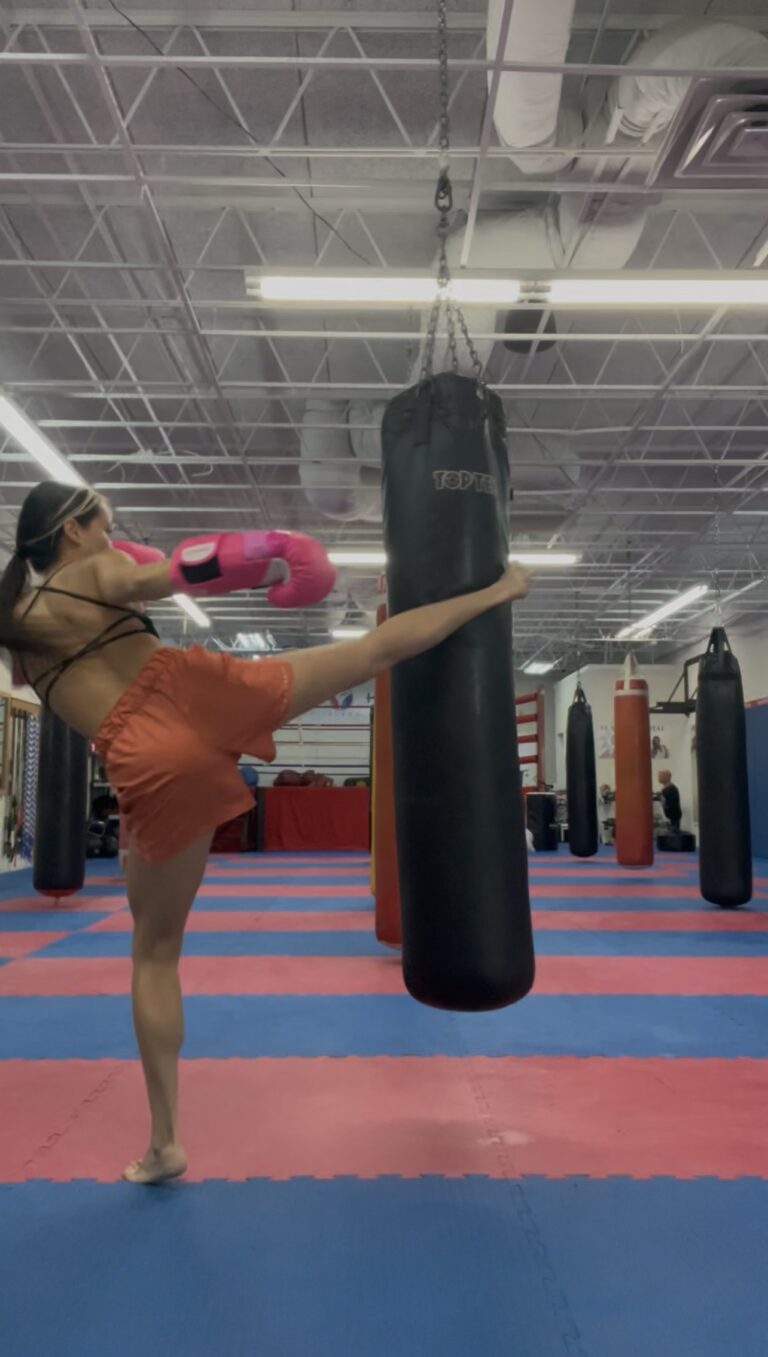



Heads up: I'm a Hayabusa ambassador and I earn a small commission if you shop with my code or links, at no extra cost to you. I only recommend gear I actually train in. 💛
Hey friends, it's Lizzie! I started kickboxing when I moved to Florida about ten years ago, and I've trained straight through into my 30s, which means I've done the same sport in two very different bodies with two very different brains. People assume the 20s version was better. It wasn't. It was faster to recover and slower at everything else. Here is what actually changed, honestly, for anyone wondering whether they've missed the window. You haven't.
Recovery: the obvious one
For me, recovery needs more deliberate planning now. That is my experience, not a rule that changes on your thirtieth birthday. Sleep, training load, health and experience all affect how you feel between sessions. I plan rest rather than assuming I will be ready the next day. I wrote about my routine in how I recover after sparring.
Consistency beat intensity, eventually
A lot of people train in bursts. Three weeks of everything, then a month of nothing, then guilt, then another burst. In my 30s I show up whether I feel like it or not, and I take the rest days on purpose. The boring version has made me a far better kickboxer than the dramatic one ever did. The people who got good in my gym were never the ones who went hardest; they were the ones who kept coming.
Fear changed shape
Being scared of getting hit doesn't have an age limit, in your 20s or your 30s. What changes is what you do with it. Early on, fear makes you brace, hold your breath and turn away. Now it's information: a note to keep my hands up, breathe out, and pick partners who go light. I still get nervous before sparring. I've stopped expecting that to end, and honestly it's part of why I still love it.
I stopped buying the wrong gear
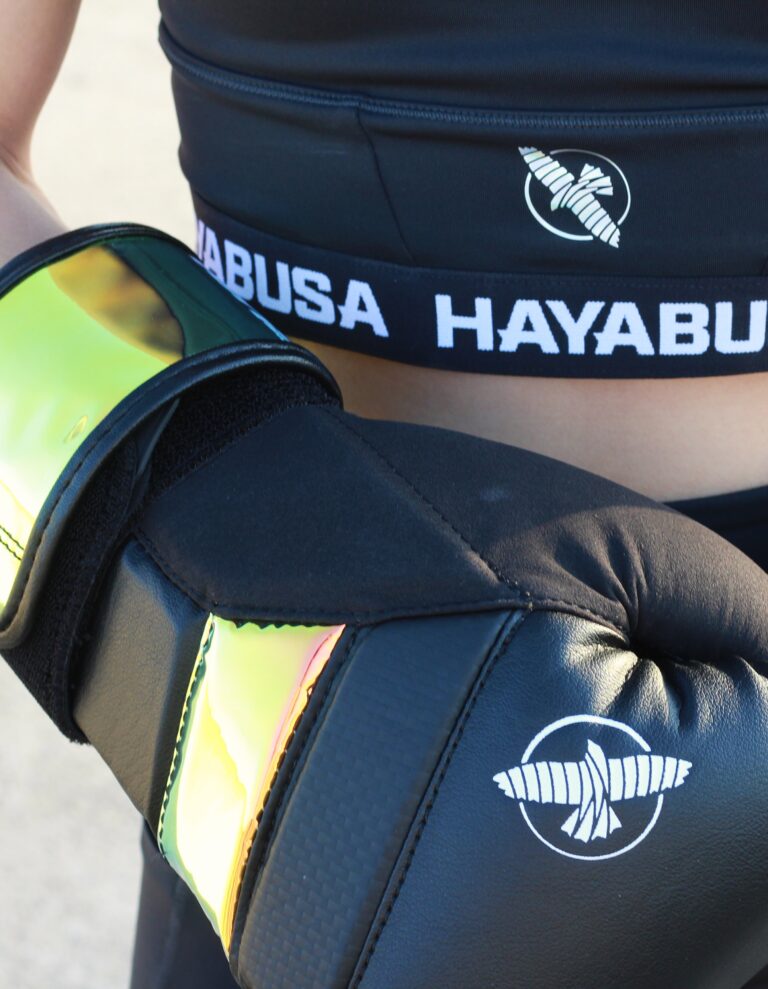
My 20s were a tour of cheap gloves: a gray Venum pair, a pink Everlast pair, a Sanabul pair I eventually gave away. Every one of them stayed the shape it came out of the box in. My 30s are the Hayabusa T3s I actually train in, plus real shin guards and a mouthpiece I don't have to think about. Buying once, properly, is a very 30s decision.
Confidence stopped being a performance
Early on, a lot of people walk into the gym trying to look like they belong. After enough years the room knows your name and your guard, and the trying fades. That isn't swagger; it's just time. And the confidence stopped staying in the gym. It came with me into the business I started, into putting my face on the internet, into every scary first that came after. Kickboxing built it, and my 30s are where I finally spend it.
Being a woman in the room
Fight gyms skew male, and it can feel like you have to prove you belong every single week. In my 30s I let the work answer. Someone with less time in the gym will always have thoughts about how I should be doing it, and the answer is still the same: hands up, do the rounds.
Patience, finally
A lot of beginners want to be good by month three. In my 30s I'm happy to be better than I was three months ago, and that single change is probably why I'm still in the sport. There is always another layer: a cleaner kick, a combination I couldn't hear last year, a correction that gets smaller each time. I stopped needing a finish line.
What needs more planning for me
Bouncing back after a bad night's sleep. Mobility, which now needs actual attention instead of being free. Finding class times that fit a real schedule. None of those are reasons to stop; they're reasons to plan, and planning is the thing the 30s version is actually good at.
If you're starting in your 30s instead
You do not need a decade of experience to book a beginner class. Patience, consistency and taking rest seriously are habits you can build at any age. The only thing you're missing is the years, and those come the same way for everyone: one class at a time. Start with a beginner class, give it a month, and read how long it actually takes so you don't judge yourself in week two.
What the 20s version got right
To be fair to her: she showed up scared and kept going, and that's the only reason the 30s version exists. She said yes when her sister talked her into a first class she hated. She went back anyway. She was brave, and bravery was the part that mattered. If you're in your 20s reading this, keep that part. The rest sorts itself out with time.
The gear timeline, honestly
Gray Venum Contenders for about two years, a pink Everlast pair because they were cheap and pink, a Sanabul pair I eventually gave away, and then Hayabusa: the T3s I train in, the T360s, the blue E1s as a second pair, real shin guards and a mouthpiece. Every cheap pair taught me something, mostly what a glove feels like when it never molds to your hand. I wrote the whole tour in four glove brands in ten years. The lesson wasn't “buy expensive.” It was “buy once, and buy what fits.”
If I could send one note back
Rest on purpose, buy the good gloves sooner, and stop trying to win the conversation with the guy who has opinions about your guard. Also: the fear doesn't go away, and that's fine. You're going to spend ten years nervous before sparring and love it anyway.
🥊 The 30s decision: gloves that fit, bought once
The Hayabusa T3s are the ones I train in now. Code LILO at checkout, one code per order; if a bigger sitewide sale is running, take the sale.
Your Questions, Answered
Is it harder to do kickboxing in your 30s than your 20s? It varies. I plan recovery more deliberately now, but age alone does not tell you how training will feel. Sleep, health, training load and experience matter. My consistency and patience have improved with time.
Is 30 too old to start kickboxing? Being 30 does not by itself rule out starting. Look for beginner-friendly coaching and a pace that suits your experience and health. Ask for individual advice if you have health or injury concerns.
Does the fear of sparring go away with experience? Not for me, ten years in. I still get nervous. Work with your coach, agree on controlled intensity and remember that sparring is optional; experience does not mean you have to ignore fear or discomfort.
Related reading
- What 10 Years of Kickboxing Taught Me About Life
- How Long Does It Take to Get Good at Kickboxing?
- How to Get Over the Fear of Getting Hit (Sparring in Your 30s)
- Four Glove Brands in Ten Years: What I Actually Learned
- What a Week of Training Actually Looks Like for Me in My 30s
- Hayabusa Discount Code: My Verified LILO Code (2026)