



If your 20s were about figuring things out, your 30s are about building stability and wealth. The problem? Life in your 30s is expensive — rent or mortgages, families, health, and the desire to still enjoy travel and experiences. That’s why the key isn’t being “perfect with money.” It’s building money routines that work in the background, freeing you from stress while your wealth grows.
Why Routines Beat Willpower
Budgeting apps, spreadsheets, and hacks are useful — but only if you stick with them. That’s why routines matter. Routines take the decision-making out of money. They turn “I should save” into “I automatically save.”
- Consistency wins: $300 saved monthly beats random $1,000 chunks.
- No guilt spending: When savings & bills are automated, you can enjoy the rest guilt-free.
- Time freedom: You don’t need to obsess daily if your system is set up once.
The 3-Part Money Routine for Your 30s
1. Automate Savings & Investing
Set up automatic transfers on payday:
- Emergency fund: 3–6 months of expenses in a high-yield savings account.
- Investments: At least 10–15% of income into retirement accounts (401k, Roth IRA, etc).
- Short-term goals: Travel fund, down payment, etc.
💡 Helpful Tool
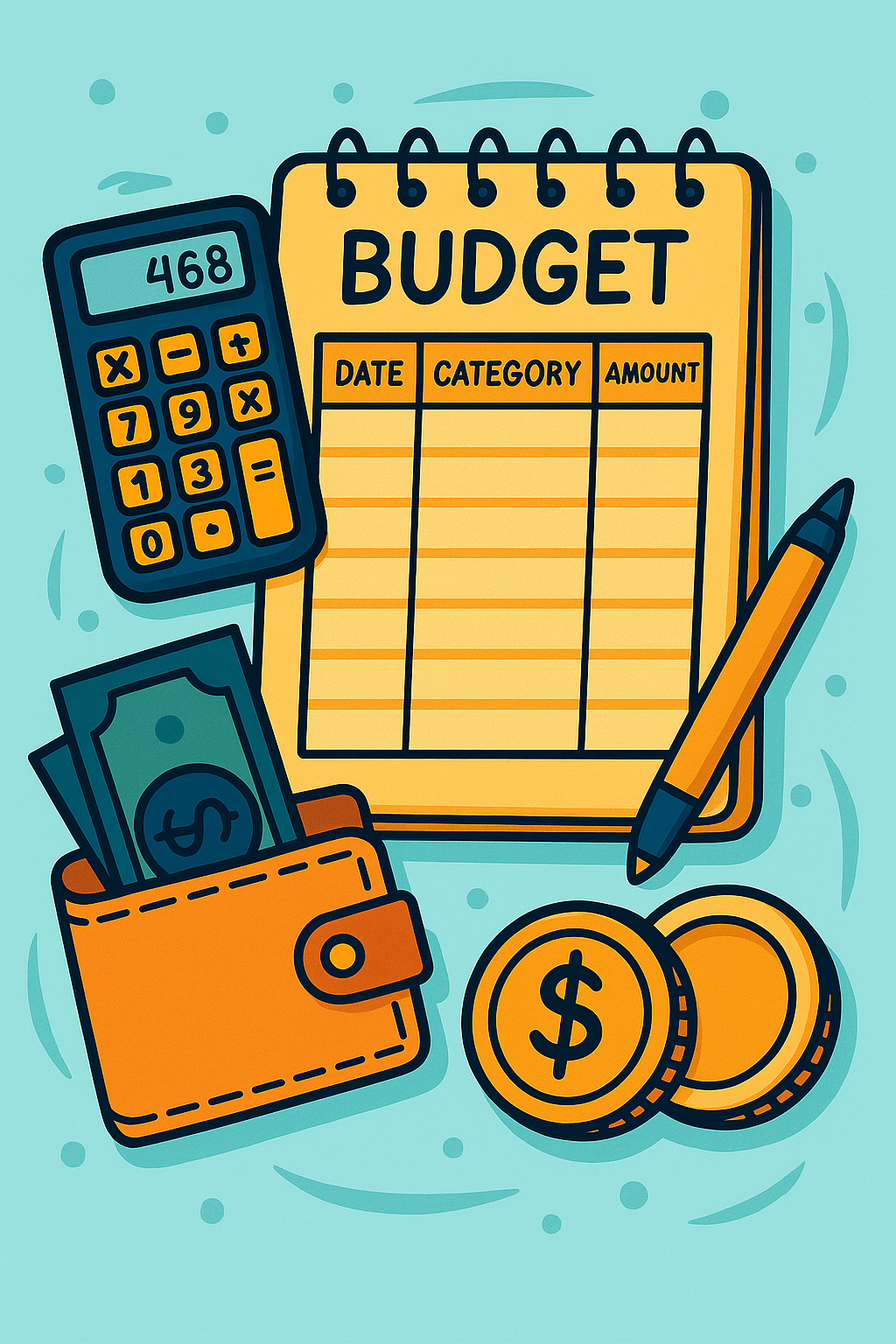
Try a budget planner notebook to track goals visually, or a cash envelope system if you like tactile budgeting.
2. The 50/30/20 Framework
A simple budget rule for your 30s:
- 50% Needs: Housing, bills, food, healthcare.
- 30% Wants: Dining, travel, hobbies.
- 20% Savings/Investments: Future you.
Even if your percentages aren’t exact, having the framework makes you more intentional with money.
3. Weekly Money Check-In
Every Sunday (10 minutes):
- Review your accounts.
- Check if your spending matches your plan.
- Adjust the upcoming week if needed.
Investing in Your 30s: Keep It Simple
Don’t overcomplicate. You don’t need to be a stock-picking expert. Most people build wealth with a few broad index funds or target-date retirement funds.
Book pick: Rich Dad Poor Dad (classic mindset shift) or The Simple Path to Wealth (step-by-step investing basics).
How to Save Without Feeling Broke
- Budget experiences, not just bills: Build “fun money” into your plan.
- Use Amazon Subscribe & Save: Automate basics like supplements, skincare, and protein powder so you save 5–15% without thinking about it.
- Cut “meh” spending: Eliminate what doesn’t bring joy and redirect to what does.
👉 Pro Tip
Save on health by buying in bulk. Stock a shelf with Rule One Protein (code LILO) or Hayabusa gear (code LILO) once, instead of piecemeal purchases.
Budget-Friendly Skincare & Self-Care
Looking good on a budget is possible. Choose 2–3 core products instead of 10-step routines:
Affordable, effective, and easily shipped with Prime.
What to Avoid in Your 30s
- High-interest debt: Credit card debt destroys wealth. Pay it down ASAP.
- Lifestyle creep: As income rises, keep expenses steady for a few years to bank the difference.
- Analysis paralysis: Don’t wait for the “perfect” system. Start messy, refine later.
✅ Final Thoughts
Money routines aren’t about restriction—they’re about freedom. Freedom to enjoy today without sabotaging tomorrow. Freedom to spend without guilt because your bills and savings are covered. Freedom to know you’re building a financial safety net while living fully in your 30s.
Ready to Reset Your Money?
The Money Order of Operations: What to Fund First
Here’s the question the budget percentages don’t answer: when your money is tight and you can’t do everything at once, what gets funded first? If your 20s were about throwing money at whatever felt urgent, your 30s are about sequencing — building things in the right order so nothing collapses. This is the part most people skip, and it’s exactly why they feel like they’re working hard but never getting ahead.
Think of it as a checklist you climb, not a buffet you grab from. You don’t move to the next rung until the one below it is steady:
- A small starter cushion — enough to cover a surprise car repair or vet bill without reaching for a credit card.
- Any employer retirement match you’re leaving on the table. This is free money, full stop — capture it before anything else.
- High-interest debt, knocked out aggressively, because no investment reliably beats what that interest is quietly costing you.
- Your fuller emergency fund — the three-to-six months we already talked about.
- Long-term investing and your bigger life goals, layered in once the floor underneath you is solid.
The relief here is real: you stop trying to win every money game at once. You pick the next rung and you climb it. If you want the deeper foundation underneath all of this, my guide to budgeting in your 30s pairs perfectly with this routine.
What If Your Income Isn’t the Same Every Month?
A clean payday transfer is easy when your paycheck is identical every two weeks. But what if you freelance, work on commission, or run a side hustle where some months are fat and others are lean? Most money advice quietly assumes a steady salary — and then makes you feel broken when your real life doesn’t match.
The fix is to stop budgeting off this month’s income and start budgeting off your lowest typical month. Pay yourself a steady “salary” from your checking account based on that number, and let the good months overflow into a buffer instead of into your lifestyle. When a big month lands, it tops up the buffer first — not your shopping cart. Lean months then pull from that same buffer, so your spending stays calm even when your income doesn’t.
It takes a couple of months to build that buffer up, and yes, the first stretch feels tight. But once it’s there, irregular income stops feeling like a roller coaster and starts feeling like a salary you happen to pay yourself.
Quick Money Routine FAQs
I’m behind on all of this. Am I too late to start in my 30s?
No — and the panic is the only thing actually working against you. Your 30s are a genuinely strong starting point because your earning years are far from over and your habits are finally settling. Start with one automated transfer this week, even a tiny one. Momentum beats a perfect plan that never launches.
How do I do this when I share money with a partner?
Put a 20-minute money date on the calendar, the same way you’d protect a workout. Look at the numbers together, agree on what each automated transfer is for, and decide on a “no questions asked” spending amount you each get to use freely. The goal isn’t to police each other — it’s to be on the same team so money stops being the thing you fight about.
What if a “fun” purchase actually pays off long-term?
Then budget for it on purpose instead of guilting yourself afterward. Spending that protects your energy, health, or sanity isn’t a leak in the system — it’s part of the plan. A recovery massage, decent running shoes, or a class that keeps you consistent can earn their keep. The same logic applies to your health spending: a few well-chosen tools, like the ones in my roundup of Amazon finds under $50, can quietly make the disciplined life easier to stick to.
Pick one step this week: automate savings, do a 10-minute weekly check-in, or set up your Amazon Subscribe & Save for essentials. Small moves today = freedom in your 40s and beyond.
🥊 My go-to gloves: Hayabusa
The exact gloves I've trained in for 10 years — unreal wrist support, and they fit smaller hands.