



Affiliate Disclosure: This article contains affiliate links. If you purchase through them, we may earn a small commission at no extra cost to you. We only recommend products we genuinely use or trust.
Recovery rituals in your 30s are the hidden edge. Work, family, and workouts pile stress on the body. Without solid recovery, training feels like treading water. With consistent rituals, progress compounds. This article shows you how to build a repeatable system—sleep routines, smart supplementation, stretching mini-flows, and hydration anchors—so you thrive instead of burn out.
Recovery Rituals: Sleep First, Always
Sleep is the number one recovery tool. It balances hormones, clears the mind, and repairs tissues. Aim for 7–9 hours on a steady schedule. Instead of scrolling in bed, swap in rituals:
- Dim lights 60 minutes before sleep.
- Read or journal 5–10 minutes to offload stress.
- Stretch hips and shoulders for 3 minutes.
- Keep your room cool and dark.
Recovery Rituals: Supplements That Actually Help
Not all supplements are equal. Stick to evidence-backed basics:
- Protein: Essential for repair. A whey isolate or plant blend post-workout is simple and effective.
- Creatine monohydrate: Supports strength, performance, and even cognitive function for many.
- Magnesium: Supports relaxation and sleep quality.
Smart Picks:
- Rule One Proteins — clean recovery shake (use code LILO).
- Calm Magnesium Powder — evening routine aid if it suits your needs.
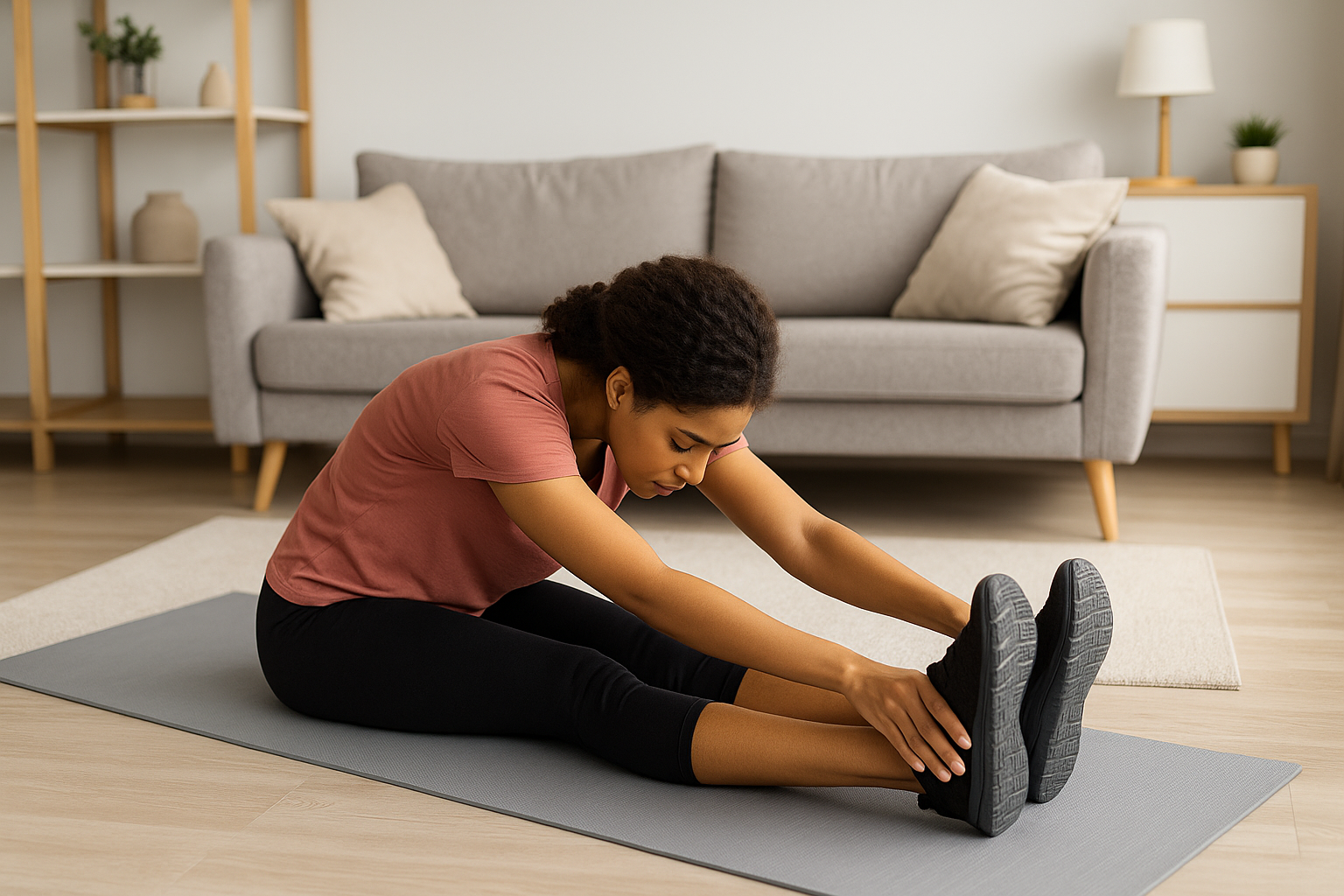
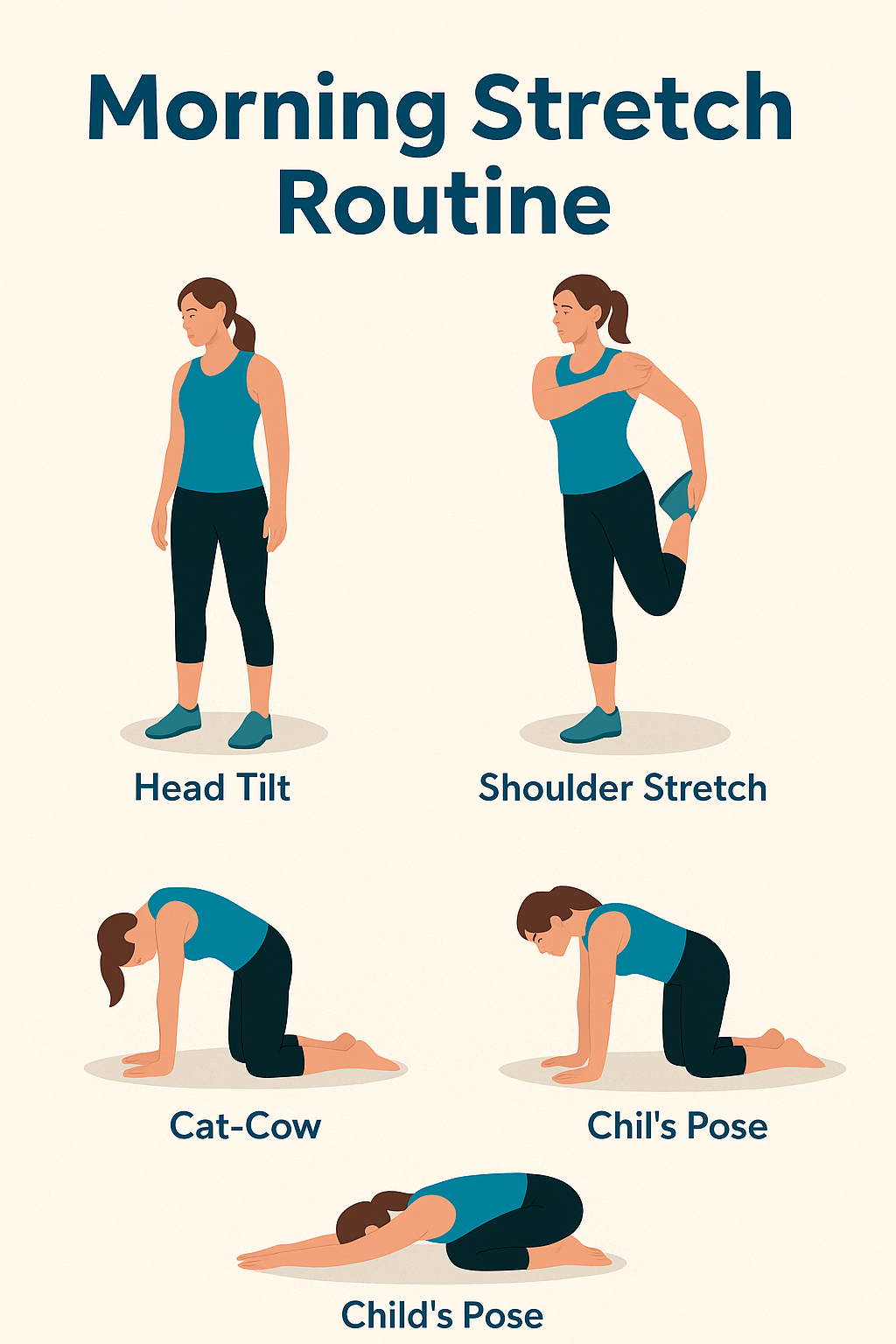
Recovery Rituals: Stretching That Fits Busy Schedules
Instead of marathon stretching sessions, sprinkle micro-flows through your day. Five minutes is enough.
- Hip flexor stretch — 1 minute each side.
- Hamstring stretch — 1 minute.
- Thoracic spine rotations — 1 minute.
- Calf stretch — 1 minute each side.
Recovery Rituals: Hydration Anchors
Hydration affects energy, mood, and joint health. Don’t rely on willpower—set visible anchors:
- Keep a motivational water bottle at your desk or bag.
- Drink a full glass first thing in the morning.
- Add a pinch of salt or electrolyte mix on heavy sweat days.
Recovery Rituals: Daily Template
Here’s a repeatable 24-hour recovery framework:
- Morning: Water + walk + protein-rich breakfast.
- Midday: 2–3 minute mobility break.
- Post-training: Shake + 5-minute stretch.
- Evening: Lights dim, magnesium if helpful, light reading, in bed at the same time daily.
Pro tip: Track recovery with a wearable like a fitness watch. You’ll spot patterns—late nights, hydration gaps—that drain energy.
Recovery Rituals: Tools That Help
- New Balance Fresh Foam Sneakers — protect joints during active recovery walks.
- Foam roller or massage ball — 5 minutes on tight spots.
- Eye mask + blackout curtains — cheap but powerful sleep upgrades.
Recovery Rituals: Pitfalls to Avoid
- Skipping sleep: Supplements can’t replace rest.
- Overstretching cold: Always warm up gently before deep stretches.
- Inconsistent routines: Random recovery doesn’t stick—rituals do.
Recovery Rituals: Your Next Step
Pick one ritual from each category: sleep cue, supplement, stretch, and hydration anchor. Layer them in this week, track energy, and adjust. Recovery doesn’t need to be complicated—it needs to be consistent. That’s how recovery rituals in your 30s turn stress into strength.
Quick Start: Tonight, set out a water bottle, prep a scoop of Rule One protein (code LILO), and plan 7 hours of sleep. You just built your first recovery ritual.
Active Recovery vs. Doing Nothing: They’re Not the Same Thing
Here’s a distinction nobody made for me in my 20s: a rest day and a recovery day are two different animals. A rest day is permission to do nothing, and you absolutely need those. But an active recovery day is where the real magic happens — gentle movement that pumps blood to sore muscles, clears out the soreness faster, and keeps you from feeling stiff and creaky by Monday.
If your 20s recovery meant lying on the couch until the soreness passed, your 30s recovery is a slow, easy 20-minute walk that does more for your legs than another nap ever could. Active recovery isn’t a workout — if you’re breathing hard, you’ve missed the point. Think of it as movement at a pace where you could hold a full conversation.
- An easy walk around the block — never underestimate it, here’s why walking is the best exercise in your 30s
- Light mobility flows or a slow yoga sequence
- An easy swim or relaxed bike ride
- Foam rolling paired with deep breathing
My rule of thumb: schedule one true rest day and one active recovery day each week. The rest day is for your nervous system. The active recovery day is for your muscles. You need both, and they’re not interchangeable.
Learn to Read Your Body’s Recovery Signals
A daily template is a great starting point, but your body doesn’t run on a fixed schedule — and in your 30s, ignoring that is how you end up burned out or nursing a tweaked back. The smartest thing you can do is learn to read the signals that tell you when you need to back off and recover harder than usual.
Before you push through another tough session, run a quick gut check. If two or more of these are true, that’s your cue to swap the hard workout for active recovery:
- Your resting heart rate is noticeably higher than your normal
- You slept poorly two nights in a row
- You’re unusually irritable or your motivation has cratered
- Soreness from your last session hasn’t faded after 48 hours
- Your grip feels weak or your usual weights feel impossibly heavy
None of this requires a fancy wearable, though one can help. It mostly requires honesty. Backing off when your body asks isn’t weakness — it’s the exact opposite. This is the same muscle as choosing discipline over motivation: the disciplined move is sometimes resting on purpose, not grinding for the sake of it.
Recovery FAQ for Your 30s
How long does recovery actually take in your 30s? Honestly, a little longer than it used to — and that’s normal, not a sign anything’s wrong. Most muscle groups need 48 hours between hard sessions. The fix isn’t to recover less; it’s to train smarter and let your easy days actually be easy.
Do I need recovery days if I only do light workouts? Yes. Recovery isn’t only about sore muscles — it’s about your nervous system, your sleep, and your stress load. Even walkers and casual gym-goers benefit from intentional downtime.
Should I push through soreness? Mild, general soreness? Gentle movement usually helps. Sharp, one-sided, or joint pain? That’s a stop sign, not a push-through. Learn the difference and you’ll save yourself months of setbacks.
What if I genuinely have no time to recover? Then recovery becomes a series of small, stacked habits instead of a dedicated block — better sleep, a five-minute stretch, a midday walk. Start with the one that’s easiest to keep, and build from there.
About HowToLive30: Practical fitness, mindset, skincare, and budgeting for your best decade. We keep guides simple, science-aware, and doable.
💪 My protein: Rule One
Clean macros, mixes smooth, and the flavors don't taste like chalk. My daily staple.