


Heads up, friends: this post has affiliate links, and if you shop with my code I may earn a little something at no extra cost to you. I only ever share what I genuinely love. 💛
Hey friends, it’s Lizzie! Getting back in shape after 30 is not about punishing yourself back into a “before” body — it’s about rebuilding strength and energy in a way that actually lasts. Here’s the realistic plan I’d give a friend.
Start smaller than you think
The #1 mistake is going too hard, too fast, and burning out (or getting hurt) in week one. Start with 3 short workouts a week — even 20 minutes counts. Consistency at a level you can sustain beats an intense plan you quit. You’re building a habit first, results second.
The realistic plan
- Move most days — walks count, and they’re underrated.
- Strength train 2–3x/week — muscle is everything in your 30s.
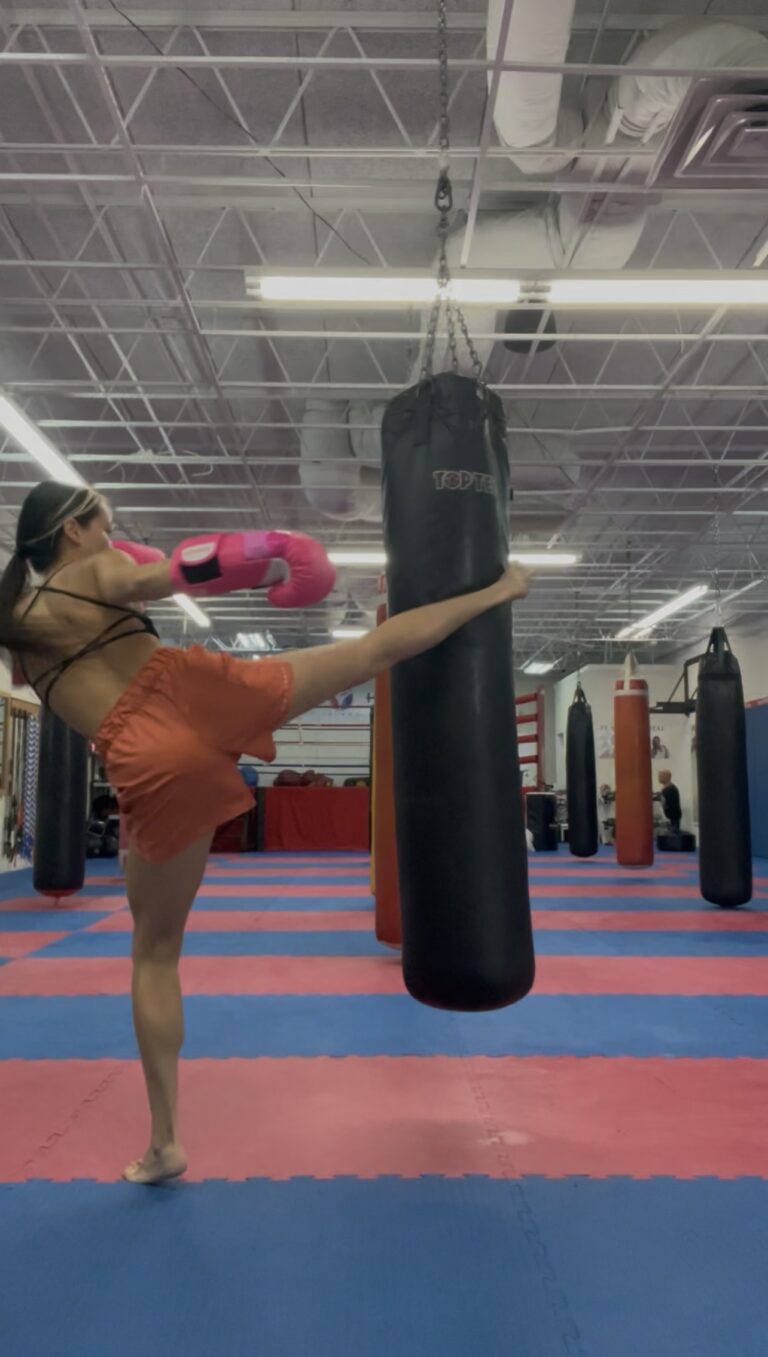
- Add something fun — kickboxing, pickleball, dance — so you actually show up.
- Prioritize protein & sleep — you can’t out-train poor recovery.
What the first 6 weeks really look like
Set your expectations honestly and you’ll actually stick with it. Weeks 1–2: everything feels hard and you’re a little sore — that’s normal; just keep showing up. Weeks 3–4: workouts start feeling easier, your energy climbs, and the habit sets in. Weeks 5–6: you notice real strength, better sleep, and that “I’ve got this” feeling. Visible changes come after the internal ones, so don’t quit before the magic. Track how you feel weekly, not the scale daily.
The mistakes to avoid
Two big ones sink most comebacks: going too hard too soon (hello, injury and burnout) and being all-or-nothing (missing one day and scrapping the whole week). Aim for consistent and imperfect over intense and unsustainable. A missed workout isn’t failure — it’s just Tuesday. Start again tomorrow.
The part nobody warns you about: being a beginner again
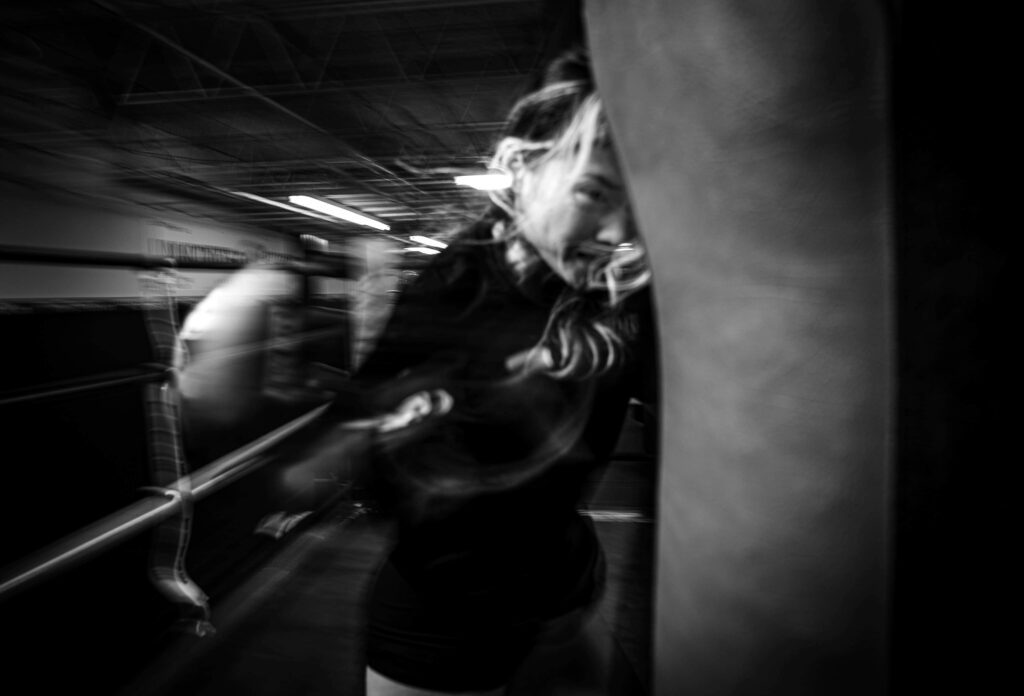
Real talk, the hardest part of getting back in shape isn’t the workout. It’s walking into a room where everyone looks like they know exactly what they’re doing and you very much do not. I still remember my first kickboxing class in my early 30s. My sister talked me into it, and honestly? I hated it. I felt uncoordinated, out of breath, and about two steps behind everyone in the room. If you’d told me I’d still be training ten years later, I would’ve laughed at you.
Here’s the thing nobody says out loud: being a beginner again is humbling, and that awkward feeling is not a sign you don’t belong. It’s just the tax you pay in the first few sessions, and everyone in that room paid it too. So give any new thing a real shot before you decide it’s “not for you,” a few sessions, not one rough first day. Show up awkward. Ask the questions that feel silly. Stand in the back row if you need to. The version of you three weeks in will be so glad you didn’t quit after the class you hated.
Set it up so showing up is easy
Motivation gets all the credit, but honestly, the people who stick with it just make it stupidly easy to start. Remove the friction before you ever need willpower, so on a tired day the easy choice and the healthy choice are the same choice.
- Lay your clothes out the night before, so morning-you has nothing to decide.
- Pick a specific time and put it on your calendar like any other appointment.
- Keep a set of gear by the door or in the car, so “I forgot my stuff” is off the table.
- Have a backup for busy days. A 15-minute walk still counts as showing up.
- Book that first class or gym session with a friend, so bailing means bailing on someone.
None of this is fancy. It’s just design. When starting takes zero effort to set in motion, you stop white-knuckling your way through every single day, and “did I work out” quietly stops being a daily debate.
🥊 Make it fun: Hayabusa
Kickboxing is how I stay in shape and sane — if you want to try it, these are the gloves I’ve trained in for 10 years. Code LILO at checkout.
Be patient and kind
Your body in your 30s responds beautifully to consistency — it just needs a little more warm-up, recovery, and grace than it did at 22. Track how you feel (energy, strength, mood) as much as how you look, and celebrate the small wins. Six weeks of showing up will surprise you. You’ve got this, friend. 🥊🌴
Need clean energy before you train? Celsius is my go-to sugar-free energy drink — here’s my link if you want to try it. (Just mind the caffeine and don’t stack it with a pre-workout.)
Quick questions
How do I start working out after a long break? Start smaller than you think — three short workouts a week — and build from there. Consistency beats intensity.
How long until I see results? Expect internal changes (energy, strength) in a couple of weeks and visible ones around 4–6 weeks of consistency.
What’s the best type of workout to restart with? Whatever you’ll actually enjoy and stick with — walks, strength, kickboxing, or pickleball all count.
If you are choosing between the two big energy drinks, I compared them here: Celsius vs Alani Nu, compared properly.
Worth a read if that is where you are: how to stay motivated when you do not feel like it.
How do I get back in shape after 30? Start smaller than feels satisfying and build consistency before intensity. Most comebacks fail in week two from soreness, not from lack of willpower.
How long does it take to see progress? Energy and mood often shift within a couple of weeks; visible changes take longer. Prior training history helps you regain fitness faster than building it the first time.
Is it harder to get fit after 30? Slightly, mainly around recovery rather than capacity. You can absolutely make significant progress; you just need to take rest days more seriously.