



This post contains affiliate links. If you shop through them I may earn a small commission at no extra cost to you — I only ever recommend what I genuinely use and love. 💛
Hey friends, it’s Lizzie! If you’re standing in front of a wall of boxing gloves (or, let’s be real, an endless Amazon search bar) totally overwhelmed, I’ve got you. I’ve been kickboxing for ten years now, and I still remember buying my very first pair — I picked the flashiest color, ignored everything that actually mattered, and paid for it with sore wrists for about three months. So let’s skip that part for you. This is the honest, no-fluff guide I wish I’d had, covering exactly what to look for in your first pair, the mistakes almost everyone makes, and the gloves I genuinely recommend to new people at my gym.
Why your first pair actually matters more than you think
Here’s the thing nobody tells beginners: your gloves aren’t just padding, they’re the thing standing between your knuckles, your wrists, and a whole lot of repeated impact. When you’re new, your wrists and hand structure haven’t built up the stability that comes with years of training. That means a bad pair of gloves can actually set you back — sore wrists make you skip bag day, tweaky knuckles make you pull your punches, and before you know it you’ve talked yourself out of the whole thing.
A good beginner glove does two jobs really well: it protects you while your body adapts, and it teaches your hand the correct fist position so good habits become automatic. You do not need the fanciest gloves on earth to start. But you also don’t want the $18 mystery-brand pair that flattens into a pancake after a month. Somewhere in the sensible middle is where new people thrive.
Glove weight (oz), explained without the confusion
The number you keep seeing — 10oz, 12oz, 14oz, 16oz — refers to the weight of the glove, not the size of your hand. More ounces generally means more padding and more protection, not necessarily a bigger fit. This trips up literally everyone at first, so here’s my simple rule of thumb:
- 12oz — The safe, do-everything starting point for most women and average-framed folks. Enough padding for bag work, light enough to actually throw combinations without your shoulders gassing out in round one.
- 14oz — A great all-purpose pick if you have bigger hands, you’re taller, or you know you’ll want to spar (practice-fight with a partner) down the road. More protection for you and for whoever you’re hitting.
- 16oz — The standard for sparring at most gyms because the extra padding protects your training partner. If you already know sparring is your goal, this is a smart buy.
If you truly can only buy one pair right now, a 12oz (smaller frame) or 14oz (larger frame) is the most versatile choice — enough for bag and pad work, and acceptable for occasional light sparring at most gyms.
Wrist support — the thing beginners underestimate the most
If you remember one thing from this whole post, make it this. Wrist support is the single biggest factor for beginners, and it’s the one most people scroll right past. When your form isn’t dialed in yet, your wrist wants to buckle on impact — and a folded wrist is how new people end up with sprains and that annoying nagging ache.
Look for a longer wrist cuff and a wide, secure hook-and-loop (Velcro) strap that genuinely locks your wrist in a straight line with your forearm. A snug, supportive cuff basically acts like training wheels for your wrist while your tendons and technique catch up. Cheaper gloves almost always skimp here — short cuff, flimsy strap — and it’s exactly why so many beginners quietly deal with wrist pain and assume it’s normal. It’s not.
Materials and durability — what you’re really paying for
Boxing gloves come in genuine leather, engineered/synthetic leather, and cheaper vinyl (PU). Here’s my honest take: real leather lasts longest and molds beautifully to your hand over time, but quality engineered leather has gotten seriously good and is often the smarter value for a beginner. Vinyl is the budget option — fine for a few months of casual classes, but it tends to crack and flatten faster, and the padding compresses quicker than you’d like.
The other durability factor nobody thinks about is the inner lining and moisture management. You are going to sweat, a lot, and gloves that don’t have antimicrobial lining or breathability turn into a science experiment fast. Cheaper gloves skip this, and trust me, your gym bag will let you know. Spending a little more up front usually means gloves that survive years instead of a season — which makes the “expensive” pair the cheaper choice over time.
Bag gloves vs. sparring gloves vs. all-purpose
You’ll see gloves marketed for specific jobs, and it helps to know the difference before you buy:
- Bag gloves — Built for hitting heavy bags and pads. Denser, firmer padding focused on protecting your hands.
- Sparring gloves — Softer, more evenly distributed padding designed to protect your partner. Usually 16oz. Required for partner work at reputable gyms.
- All-purpose / training gloves — The jack-of-all-trades most beginners actually want. They handle bag work, pad work, and light sparring well enough to get you started without buying two pairs.
For 90% of new people, one solid all-purpose pair is the right call. You can always add a dedicated sparring pair later once you know you’re sticking with it.
Common beginner mistakes (I made most of these)
- Buying purely on color or price. I get it, the aesthetic matters — but pretty gloves with no wrist support will betray you.
- Skipping hand wraps. Gloves are only half the system. Wraps support your wrist and knuckles under the glove, and they keep the inside of your gloves from getting gross. Always wrap.
- Guessing the size and never trying a fist. When you make a fist inside the glove, your fingers should reach the top comfortably, not cramped, not swimming.
- Assuming wrist pain is normal. It’s usually a form issue, a wrap issue, or a glove-support issue — not a “you’re just new” issue.
My honest top pick for beginners: Hayabusa T3
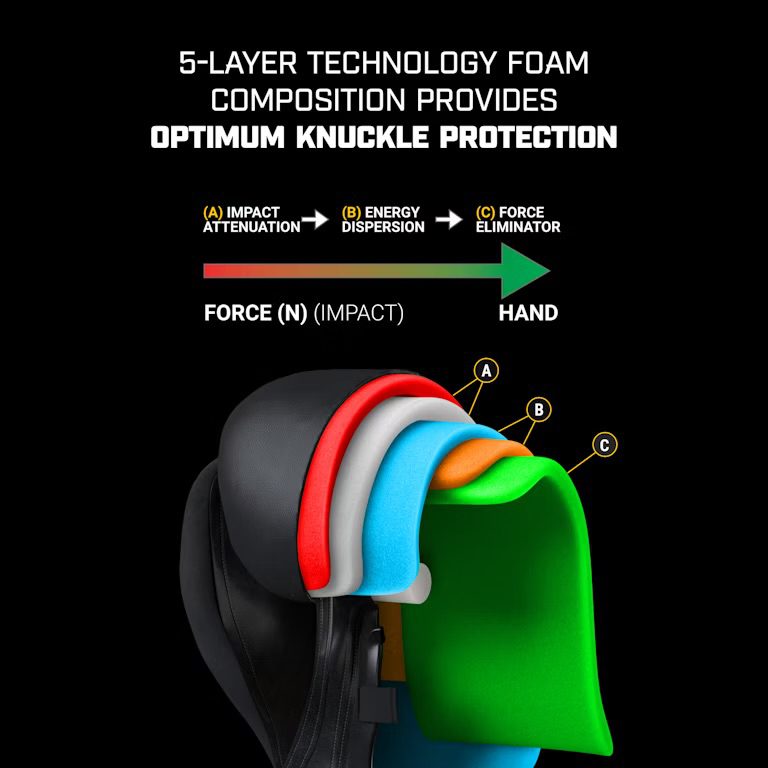
Okay, real talk. When new folks at my gym ask me what to buy, I point them to the Hayabusa T3 more than anything else — and it’s not just because I’ve worn Hayabusa for years. It’s the wrist support. Their dual-strap “splinting” system genuinely locks your wrist in place better than almost anything in this price range, which is exactly what a beginner needs while your technique is still developing. The engineered leather is durable, the padding is well-distributed enough for bag work and light sparring, and honestly they just feel like a glove you’ll grow into rather than out of.
If you want to grab a pair, my code LILO saves you a little at checkout on the Hayabusa site — every bit helps when you’re kitting out.
Now the honest cons, because I promised you real talk: Hayabusa is a premium brand, and you’ll pay noticeably more than a random $25 Amazon pair. If you’re genuinely not sure boxing will stick, a cheaper starter glove is a totally reasonable way to test the waters — no judgment, we all start somewhere. The T3 also runs a touch firm out of the box and needs a few sessions to break in. But for wrist protection, versatility, and gloves that’ll still be going strong years from now? I think they’re worth every penny, and they’re the pair I’d hand my own little sister.
Whatever you choose, please prioritize wrist support and a snug fit over color and price — your future self, mid-combo on the heavy bag, will thank you. You’ve got this, friends. Now go throw some punches.
Frequently Asked Questions
What ounce boxing gloves should a beginner buy?
For most women and average-framed beginners, 12oz is the safe, versatile starting point — enough padding for bag and pad work without being so heavy your arms gas out. If you have bigger hands, you’re taller, or you plan to spar, go with 14oz. Sparring at most gyms specifically requires 16oz to protect your partner. Remember, the ounce number is the glove’s weight and padding, not your hand size.
Do I really need hand wraps under my gloves?
Yes, always. Hand wraps are the other half of the protection system — they support your wrist and stabilize your knuckles under the glove, which is exactly where beginners are most vulnerable. They also soak up sweat and keep the inside of your gloves from turning into a science experiment, which seriously extends their life. Skipping wraps is one of the most common (and easily fixed) beginner mistakes.
Are expensive boxing gloves like Hayabusa worth it for a beginner?
Honestly, it depends on your commitment. Premium gloves like the Hayabusa T3 offer noticeably better wrist support, durability, and materials that last years instead of a season — which makes them cheaper over time. That wrist support is genuinely valuable when you’re new and your form is still developing. But if you’re not sure boxing will stick yet, a budget starter pair is a totally reasonable way to test the waters first.
Before you buy, here is the Hayabusa code I actually use.
Related and probably useful: Hayabusa vs Rival, compared properly.
On a budget? I owned every glove in the best boxing gloves under $100, and ranked all four brands I have trained in over ten years in this one.
If Everlast is on your shortlist, I owned them first: Hayabusa vs Everlast.