


Hey friends, it’s Lizzie! I’ve been golfing in Pittsburgh lately, and it took me about nine holes to realize how differently the same sport plays depending on which state you’re standing in. Not the rules — the whole experience around it. Here’s what actually changes, for anyone who’s newer to golf and playing somewhere unfamiliar.
The Wildlife Situation Is Completely Different
This is the one that made me laugh first. In Pittsburgh, we golf with bambi and groundhogs. Deer wander across the fairway like they’ve got a tee time, groundhogs pop up out of nowhere, and everyone just plays around them.
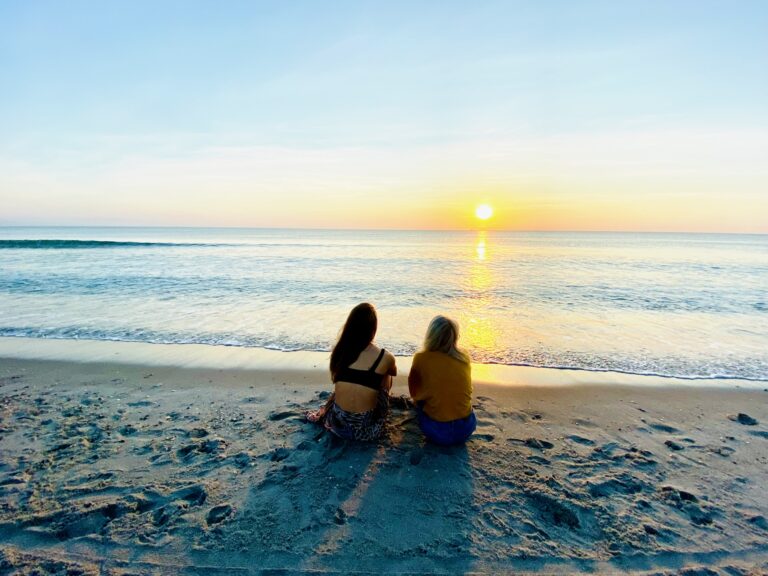
In Florida, we’re used to alligators and vultures. Gators sun themselves next to the water hazards, and if you slice one in near a pond, you genuinely have a decision to make about whether that ball is worth retrieving. Vultures will sit on a cart and stare at you.
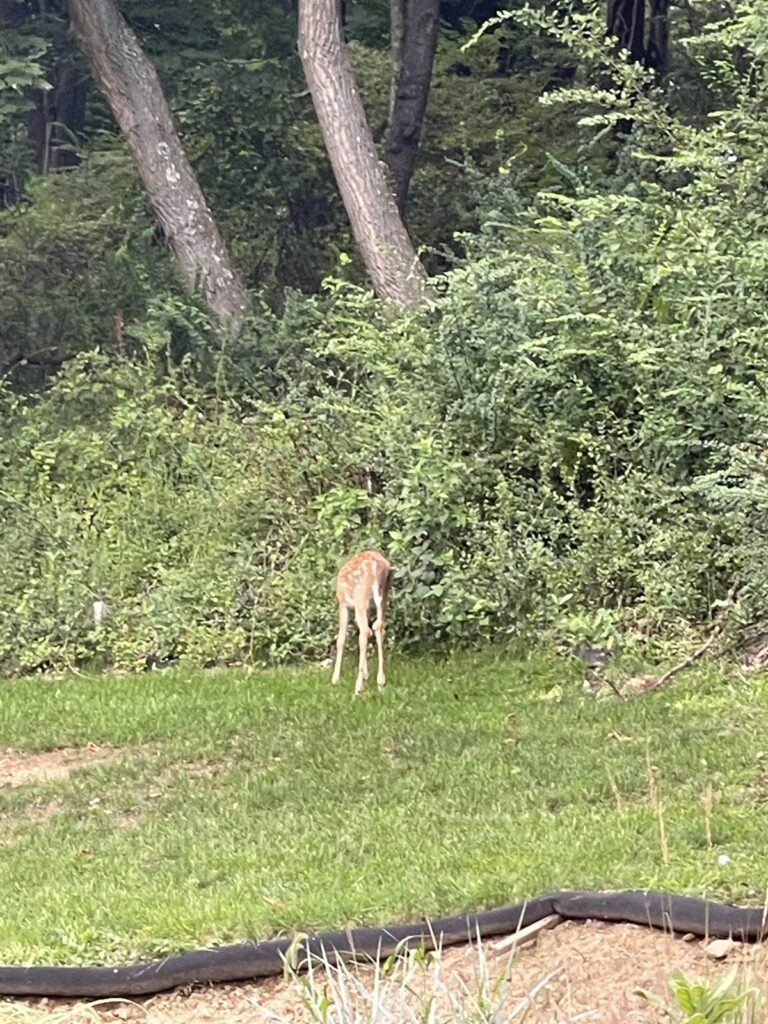
Honestly? It’s a nice change. Nothing in Pittsburgh is going to eat your golf ball or your hand. There’s a specific kind of relaxation in playing a course where the worst wildlife outcome is a groundhog judging your swing.
The Terrain Changes How You Play
Florida courses are flat. That’s the defining feature — flat, open, and usually with water in play somewhere. You can see where your ball went, which is genuinely helpful when you’re learning, and the main hazard is wet.
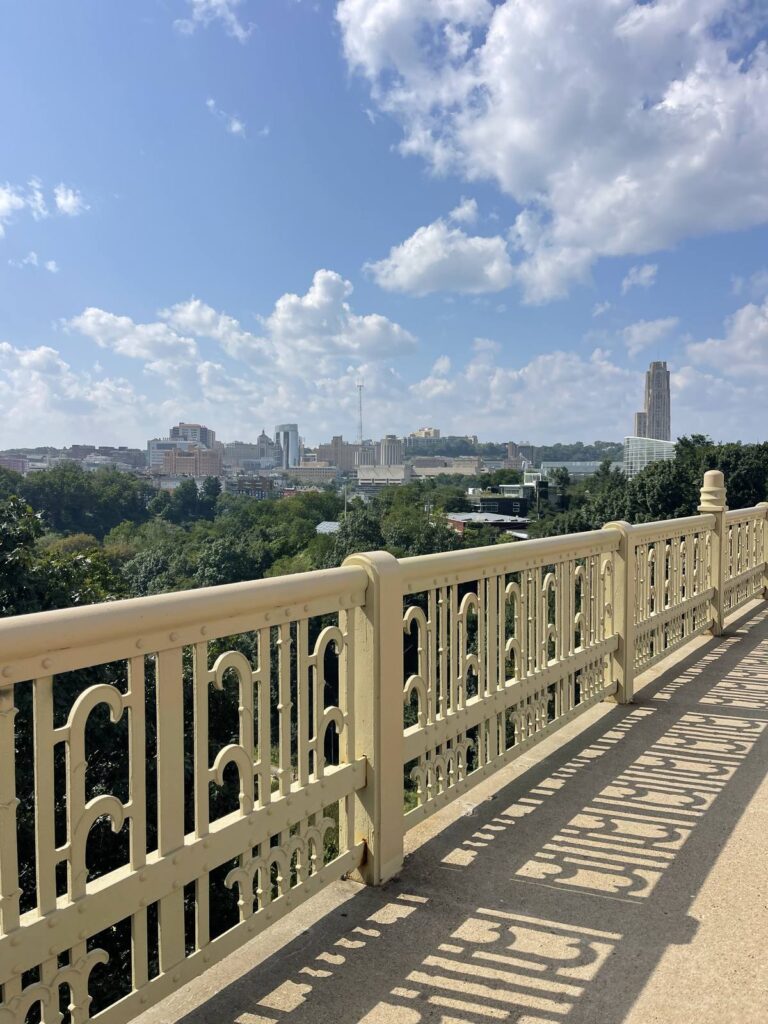
Pittsburgh is hills. The ball lands and keeps going somewhere you didn’t plan on, you’re playing uphill and downhill lies constantly, and distance is a lot harder to judge because the ground isn’t where your eyes assume it is. If you learned on flat courses, your first hilly round will humble you a bit.
Wind Versus Trees
In Florida the open layout means wind is the thing you’re fighting. There’s often not much between you and it, and a breeze will move your ball more than a beginner expects.
Pittsburgh courses tend to be tree-lined, which cuts the wind considerably but replaces it with a different problem: there are trees exactly where you don’t want them, and a slice that would’ve been recoverable on an open Florida course is just gone here.
The Season Is the Biggest Difference
This is the practical one. In Florida you can play year-round — the limiting factor is heat, not weather, so summer rounds get moved to early morning and the winter months are genuinely the best time to play.
Pittsburgh has an actual golf season, and it ends. That changes how you approach getting better: you can’t spread practice out indefinitely, and if you’re trying to learn, the window matters. It also makes the good-weather days feel like something you should actually take advantage of rather than assume will come around again next week.
What This Means If You’re Still New
If you’re learning and you have the option, flat and open is the easier place to start. You can see your ball, the lie is predictable, and fewer things go permanently missing. That’s not a knock on hills — it’s just a gentler learning curve.
But playing somewhere unfamiliar is genuinely good for you once you’ve got the basics down. Different terrain forces you to actually think about club choice and ball position rather than repeating the same swing on the same flat ground. My game got more honest when I stopped playing only one type of course.
What Doesn’t Change
The fundamentals travel. Grip, balance, and making clean contact matter identically in both places, and none of the scenery changes what a good swing looks like. If you’re working on those, you’re working on the right things regardless of what’s watching you from the treeline.
The social part doesn’t change either. It’s still four or five hours outside with people and no phones, which is the actual reason most of us keep going back. My beginner tips are here if you’re just getting started, and this is how my first driving range trip went.
Course Etiquette Travels Better Than You’d Think
One thing that genuinely reassured me playing somewhere new: the unwritten rules are the same everywhere. Keep pace with the group ahead of you rather than the one behind, repair your divots, stay quiet while someone’s swinging, and let faster groups play through.
That last one is the big one for beginners and the one people are most reluctant to do. Waving a faster group past isn’t an admission you’re bad at golf — it’s the single most appreciated thing you can do out there, and nobody has ever thought worse of me for it.
What to Pack Differently
Florida rounds are a hydration and sun problem. More water than you think you need, real sunscreen reapplied partway through, and a hat that actually shades your face. The heat is the thing that ends rounds early, not the golf.
Pittsburgh in shoulder season is a layers problem instead. Mornings start genuinely cold and warm up several hours in, so something you can take off matters more than anything else in the bag. Wet grass early in the day is also real — shoes that handle damp are worth having.
Playing a Course You’ve Never Seen
A small habit that helps a lot regardless of state: look at the scorecard properly before you start rather than at the first tee. Knowing where the long holes are and roughly what you’re walking into changes how you pace yourself over a full round.
And on an unfamiliar course, club up when you’re unsure. Coming up short is the more common beginner mistake by a wide margin, and it’s especially true anywhere with elevation where your eyes will lie to you about distance.
Your Questions, Answered
Is it harder to learn golf on hilly courses? Generally yes. Uneven lies and elevation changes make distance and ball position harder to judge, so a flatter course is a gentler place to build the basics before you take on hills.
Do you really have to worry about alligators on Florida golf courses? They’re a genuine presence near water hazards on a lot of courses. The standard advice is simple — leave the ball, keep your distance, and never approach the water’s edge to retrieve one.
When is the best time to golf in each place? Florida is year-round, with winter being the most comfortable and summer rounds best done early morning. Pittsburgh has a real season that closes in the colder months, so the good-weather window is worth using.