


Heads up, friends: this post has affiliate links, and if you shop with my code I may earn a little something at no extra cost to you. I only ever share what I genuinely love. 💛
Hey friends, it's Lizzie! If there's ONE nutrition change that's made the biggest difference for me in my 30s, it's prioritizing protein. Here's why it matters more now — and roughly how much you actually need.
Why protein matters more in your 30s
Starting in our 30s, we naturally begin losing muscle (it's called sarcopenia, and it's real). Muscle is what keeps us strong, toned, metabolically healthy, and injury-resistant — and protein is the raw material that protects it. Getting enough also keeps you fuller, steadies your energy, and supports recovery from workouts. It's the highest-leverage food habit there is.
So how much do you need?
General guidance for active women is roughly 0.7–1 gram of protein per pound of body weight per day (higher end if you're training hard or building muscle). For a lot of women that lands somewhere around 100–130 grams a day — which sounds like a lot until you spread it across your meals. (I'm a creator sharing what works for me, not a nutritionist — check with a pro for numbers specific to you.)
How to actually hit it
The trick is protein at every meal, not one giant chicken breast at dinner:
- Breakfast: eggs, Greek yogurt, or a protein smoothie (this is where most people fall short).
- Lunch & dinner: a palm-plus of chicken, fish, lean beef, tofu, or beans.
- Snacks: a protein shake, cottage cheese, jerky, or edamame.
Signs you're not getting enough
Not sure if you're falling short? A few common tells: you're hungry again an hour after eating, your workouts feel flat and recovery drags, your nails and hair feel weaker, or you're losing tone even though you're “eating healthy.” More often than not, the fix isn't eating less — it's eating more protein.
The breakfast fix that changes everything
If you only change one thing, make it breakfast. Most of us eat a carb-heavy morning (toast, cereal, a muffin) and don't touch real protein until lunch — which means we spend the whole morning under-fueled and snacky. Front-loading 25–30g at breakfast (eggs, Greek yogurt, or a protein smoothie) steadies your energy and cravings for the entire day. It's the single easiest win on this whole list.
What a training day actually looks like for me
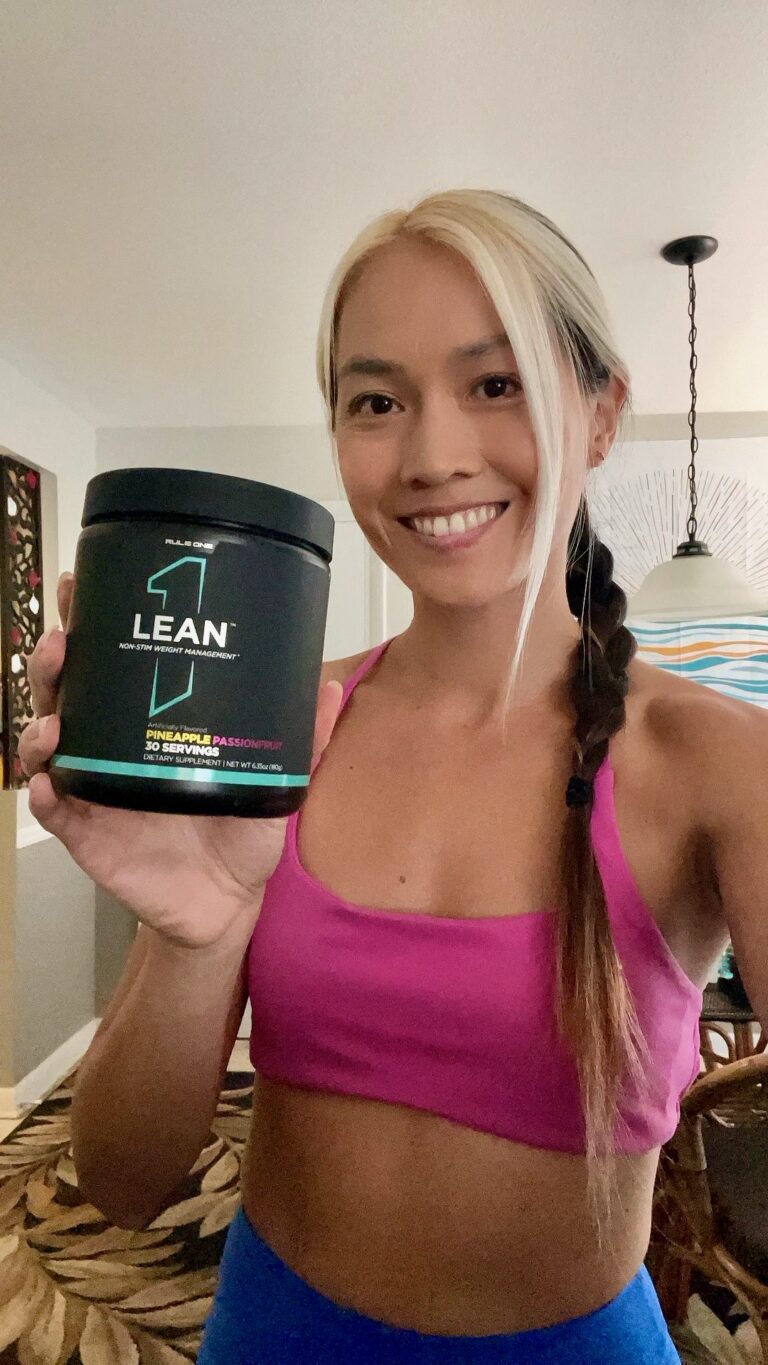
Real talk: I train pretty much every single day, and the days I actually hit my protein aren’t the days I plan some elaborate meal-prep spread. They’re the days I make it stupid easy on myself. My non-negotiable is a Rule One protein shake after I train (I use it, code LILO) because honestly it’s the one moment I’ll reach for protein without even thinking about it. I just came off the bag, I’m sweaty and starving, and a shake goes down way easier than trying to cook chicken right then.
That’s the whole trick for me. I stopped trying to be perfect and just anchored one guaranteed protein moment to something I already do every day. If you train, tie your protein to your workout the same way. It takes the decision out of it completely, and the meals you build around it start to feel like a bonus instead of a chore. I’m not a nutritionist, so I’m not going to hand you a magic number, but I can tell you the habit that actually stuck for me was this one.
How to hit protein when you really don’t feel like cooking
Now the part nobody talks about. Some nights I just do not want to cook, and that used to be exactly when my protein tanked. So I keep a little arsenal of zero-effort options around, so a lazy night doesn’t turn into a chips-for-dinner night. None of this is fancy and none of it needs a recipe. The goal is to make the easy choice and the high-protein choice the same choice, so when you’re tired and over it, you still land somewhere decent without a single ounce of willpower.
- A rotisserie chicken from the grocery store, my desert-island pick because it covers a couple of meals with zero work.
- A tub of cottage cheese you can eat straight from the fridge.
- A bag of frozen edamame you microwave in about three minutes.
- Pre-cooked shrimp you just thaw and throw on a salad.
- Eggs you hard-boil in a batch on Sunday.
- A couple of shakes stashed in your gym bag for the days that get away from you.
💪 My protein: Rule One
Clean, actually-tasty protein that makes hitting your goal easy. Code LILO saves you at checkout.
A simple high-protein day
Protein iced coffee + Greek yogurt bowl (breakfast) → chicken power bowl (lunch) → a shake (snack) → salmon + veggies (dinner). That easily clears 100g without much effort. Want it all mapped out? I built a full month of high-protein habits + recipes into my 30-Day 30s Reset — follow me on Instagram @sealillly for when it drops. Fuel her well, friend. 💪🌴
Related and probably useful: how much protein you really need.
Your Questions, Answered
How much protein does a woman in her 30s need? It depends on body weight and activity, and general guidance ranges widely. Active people typically need more than the basic recommended minimum, so it is worth calculating from your own weight rather than using a single number.
Can you eat too much protein? For healthy people, moderately high intakes are generally well tolerated. If you have kidney concerns or a medical condition, talk to a doctor before significantly increasing intake.
Does protein timing matter? Far less than total daily intake. Spreading it across meals helps with fullness, but hitting your overall target is what actually matters.