


Heads up, friends: this post has affiliate links, and if you shop with my code I may earn a little something at no extra cost to you. I only ever share what I genuinely love. 💛
Hey friends, it's Lizzie! If it has been months (or… years) since you really worked out, first: welcome back, and second, please hear me — you are not starting over, you are starting smarter. I have restarted more times than I can count, and getting back in your 30s is completely different from your 20s. Here is exactly how to do it without hating every second.
Why It Feels Harder in Your 30s (and Why That Is Okay)
Life is busier, recovery is a little slower, and your body is less forgiving of skipped sleep and ego workouts. That is not a reason to feel behind — it is a reason to be strategic. The goal is not to punish yourself back into shape; it is to build something you will still be doing at 40, 50, and beyond.
1. Start Absurdly Small
The biggest mistake is going all-in for four days and then quitting for four weeks. Do the opposite. Commit to something so small you cannot say no — a ten-minute walk, one short class, a single strength session a week. Consistency at 30% beats intensity you abandon. Once it is a habit, then you build.
2. Pick Something You Actually Enjoy
The best workout is the one you will keep showing up for. For me, that is kickboxing — it never once felt like a chore, and it cracked my whole life open a decade ago. Maybe for you it is pickleball, lifting, dance, or long walks with a podcast. Chase the thing you look forward to, not the thing you think you are “supposed” to do.
3. Protein and Recovery Matter More Now
In your 30s, what happens outside the workout matters as much as the workout itself. Prioritize protein to rebuild the muscle you are working for, sleep like it is part of the program (it is), and take real rest days. A daily protein target is the single highest-impact habit — and on busy days, a shake makes it effortless.
Your Realistic First Two Weeks
If you want an actual starting point instead of just vibes, here is the gentle on-ramp I give every friend coming back to movement:
- Week 1: Move for 10–15 minutes, three times. A walk counts. One beginner class counts. The only goal is to prove to yourself that you show up — not to be sore.
- Week 2: Keep those three, and make one of them a little harder or a little longer. Add a daily walk if you can. Start paying attention to protein and sleep.
That is it. No six-day split, no punishing bootcamp you will quietly abandon by Friday. The entire point of these two weeks is not fitness — it is building the identity of someone who works out again. Once that clicks, adding more is easy and it actually sticks. Go slow on purpose; slow is what lasts.
Where Does the Workout Actually Go in a Packed Week?
Here’s the thing nobody tells you when you’re restarting in your 30s. The hard part usually isn’t the workout itself. It’s finding the forty-five minutes it lives in. Your calendar is already full of work, people, errands, and the low-grade tiredness that comes with all of it. So “just start working out again” can feel like being told to add a whole extra life on top of the one you’re already juggling.
So don’t add it. Anchor it. Pick something you already do every single day and clip the movement right onto it. You make coffee every morning? The 10-minute walk happens while it brews or right after. You always scroll for a bit after dinner? That’s your stretch or your quick strength set instead. When a new habit hangs off an old one, you stop relying on motivation to remember it, and honestly, motivation is the least reliable friend you’ve got at 7am.
Then actually put it in the calendar like it’s a real appointment, because it is. “Sometime today” is where workouts go to die. A specific time, even a loose one like “after I drop everything off at 5,” gives the plan somewhere to stand. And protect the tiny version of it. On the wild days, the win isn’t the full session, it’s showing up for ten minutes and proving to yourself the habit survived the chaos. That’s the muscle you’re really building right now: the one that keeps showing up.
What to Do When It Stops Being New (and Still Feels Hard)
Real talk, because this is the part that got me. Everyone warns you about the first workout. Almost nobody warns you about weeks three through six, when the newness has completely worn off, you don’t feel like some transformed person yet, and the whole thing just feels like effort. This is the exact stretch where most restarts quietly fall apart, and it has nothing to do with willpower.
Let me tell you how honest I’ll be about this. I hated my first kickboxing class. Genuinely hated it. I was uncoordinated, out of breath, and pretty sure everyone in the room could tell it was my first time. My sister was the only reason I went back. And it wasn’t love at second class either. It took a good while of showing up feeling awkward before it turned into the thing I now can’t imagine my life without. That was almost ten years ago.
I’m telling you that because I want you to expect the awkward middle instead of being ambushed by it. Feeling clumsy or unsure this early isn’t a sign you picked wrong. It’s just what the beginning of a new skill feels like for literally everyone. So lower the bar to “did I show up” and let that be the whole scorecard for a while. Stop auditing yourself for progress every week, because the changes at this stage are quiet and you’ll miss them if you stare. If you want a nudge back toward something you might actually stick with, this is the exact reason I keep saying your 30s are a great time to start kickboxing. The awkward beginner stretch is temporary. The person you become by refusing to quit during it is not.
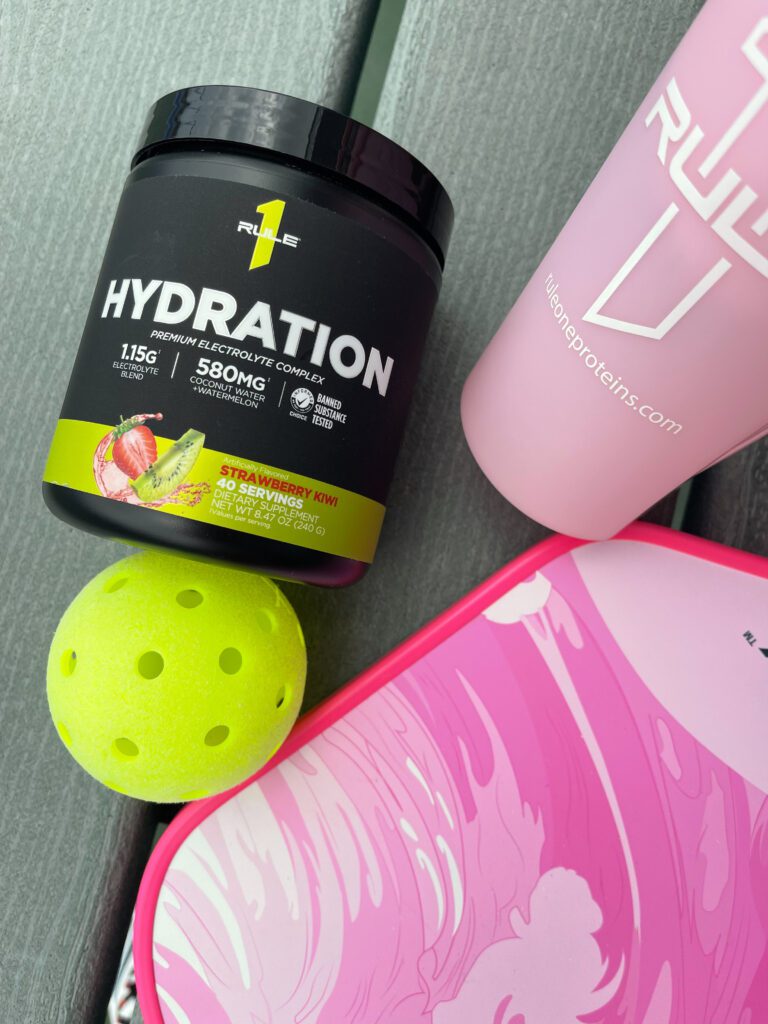
💪 My protein: Rule One
Clean macros, mixes smooth, and the flavors do not taste like chalk — my daily staple. Code LILO saves you at checkout.
4. Gear That Makes You Want to Show Up
Never underestimate how much the right gear helps you actually go. When I started kickboxing, my own gloves changed everything — no more mystery-sweat loaners, real wrist support, and honestly, a little confidence boost. I have trained in Hayabusa for a decade for exactly that reason. Whatever your thing is, a small investment in gear you love is a sneaky-powerful way to keep the promise to yourself.
The Mindset Shift That Makes It Stick
Stop trying to be perfect and start trying to be consistent. You will miss days — everyone does. The women who succeed are not the ones who never miss; they are the ones who simply start again the next day, no guilt spiral. Give it a few weeks of small, kind consistency and you will not recognize the person who was too intimidated to begin. You have got this, friend. 💪🌴
Your Questions, Answered
How do I start working out again after a long break? Start well below what you think you can handle. The most common reason comebacks fail is doing too much in week one and being too sore to continue.
How long until I feel like myself again? Most people notice energy and mood shifts within a couple of weeks, and strength returns faster the second time thanks to prior training history.
What if I keep restarting and quitting? Then the plan is probably too ambitious rather than you being undisciplined. Shrink it until it is almost too easy, and let consistency rebuild first.