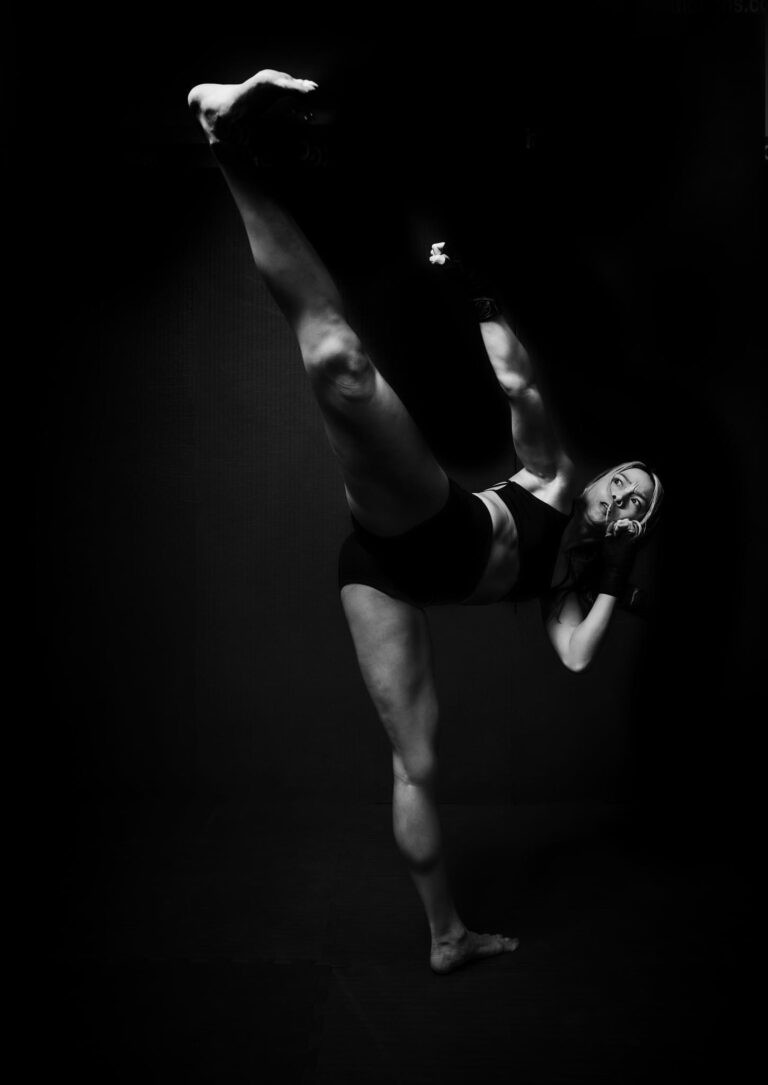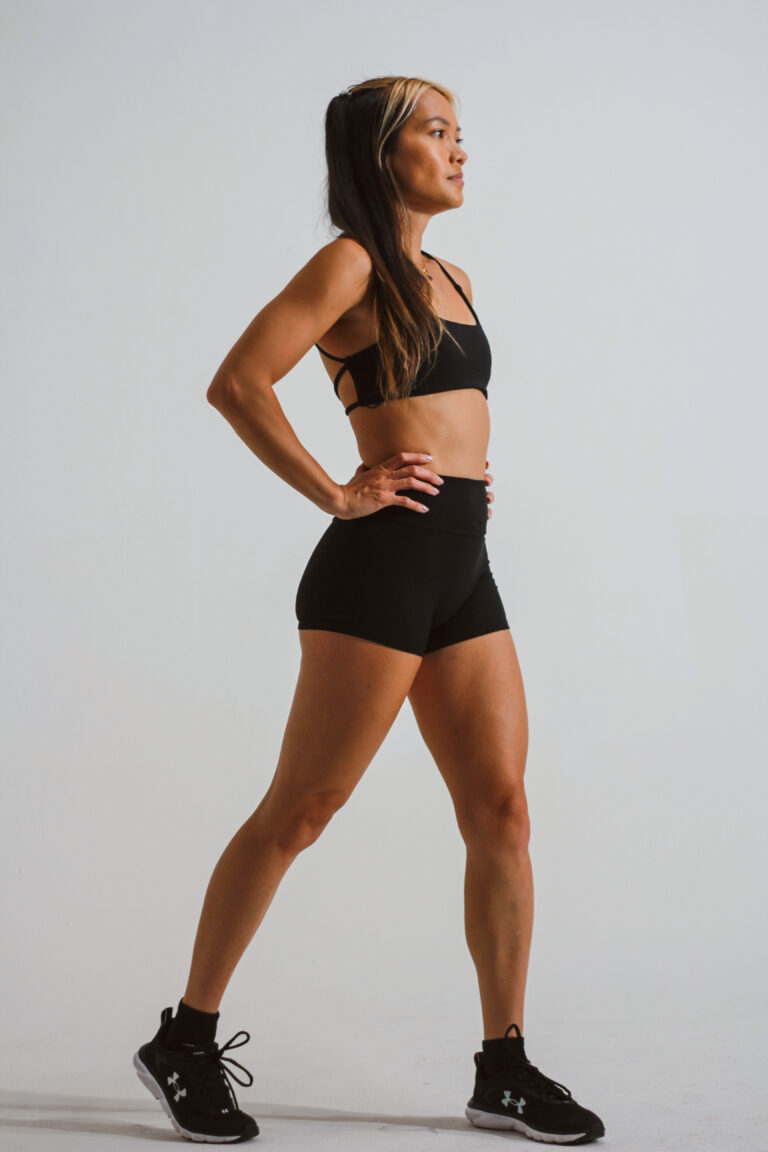



Hey friends, it's Lizzie! Ten years of kickboxing ruined watching fights for me, in the best way. I used to see two people hitting each other. Now I see hands, feet, breath, and about a hundred tiny decisions a second. If you've started training and you want fight night to be more than noise, here is what I actually watch for now, and how it feeds back into my own rounds.
Watch the feet before the hands
The punches are the fireworks; the feet are the story. Who is moving forward, who is circling, and what happens to balance and distance before a clean shot? Watch how foot position and movement create or close openings, then ask your coach which examples apply to your own training.
Count the resets
After every exchange, do the hands come back home? Good fighters reset without thinking. Tired fighters leave a hand low for half a second, and that half a second is where fights change. Watch for it in round one and you'll see it before the commentators do by round four.
Listen for the breathing
You can hear it in a quiet arena and see it in a loud one: the sharp exhale on every strike, the held breath in a bad exchange. A fighter who is breathing is thinking. A fighter who has stopped is surviving. It's the same in sparring, and it's why “breathe” is one of the notes every coach gives.
The low kick game
The low-kick exchanges are worth watching alongside the punches. Notice who checks, who moves out of range and how either fighter changes position afterward. Low kicks can affect movement, but the result depends on the exchange; you cannot diagnose a leg injury from the broadcast. Having taken kicks on an unguarded shin, checking is a skill I respect.
Range and the teep
The push kick nobody cheers for is the thing controlling the whole fight. Watch how often a fighter uses it to reset distance, to stop a rush, to buy a breath. Then watch what happens to the fighter who never throws one and spends three rounds getting walked down. For a lot of us the teep is the tool we forget until we're against the ropes, and watching good fighters use it constantly is the reminder.
What the corner says
Between rounds, if the broadcast lets you hear it, the corner says the same things a coach says in class: hands, breathe, feet, get off the ropes. It's oddly comforting. The best fighters in the world are getting the five notes too. Nobody graduates from them.
The things I stopped caring about
Knockouts as the only measure of a good fight. Trash talk. Who “looked” tougher at the weigh-in. A technical, patient fight that ends on a decision is now more interesting to me than a wild brawl, because I can see the work in it. That's what training does: it replaces the spectacle with the craft.
How watching feeds my training
- One thing per fight. I pick something to watch for, feet or resets or the teep, the way I pick one thing per round on the bag. Trying to see everything is how you see nothing.
- I copy the boring stuff. Not the spinning kick; the reset, the check, the exhale. Those are the things that show up in my next class.
- I notice the fear. Even professionals flinch, turn, and hold their breath when something lands. Seeing that makes your own nerves feel normal, and it's part of why the fear of getting hit doesn't have to be a reason not to spar.
Watching with people who don't train
Real talk: don't narrate. Nobody wants the friend who explains a check during a highlight. Answer questions if they come, point out one thing if it's genuinely great, and otherwise enjoy the fight with them the way you did before you knew what a teep was. The craft is yours to see; it doesn't need announcing.
If you're new and want to start seeing it
Watch one fight and only watch feet. Watch the next one and only count resets. Then go to class and notice that your coach has been telling you both things all along. Fight night becomes a study session you didn't sign up for, and your rounds get better for it. The words for everything you're watching are in the glossary.
What the between-rounds tells you
Between rounds, watch what the corner asks for and whether the fighter changes anything when the next round begins. Breathing, posture and attention can be interesting clues, but they do not let a viewer diagnose fatigue, injury or predict who will win. Use the break to understand the tactical conversation, not to make a medical judgment.
The commentary trap
Real talk: commentators talk about power because power is exciting, and the fight is usually being decided by distance and rhythm, which are boring to describe. I mute more fights than I used to. Watching without the noise is how I started seeing the teep and the check and the reset, which are the things that show up in my own rounds. Power never did.
Women's fights, specifically
If you’re a woman starting out, watching experienced women can make the sport feel more familiar. You can study how they handle distance, defense and pressure without assuming that someone who keeps fighting is uninjured. Footage cannot establish that a hit was harmless. For your own training, talk through sparring choices with your coach. If a concussion is suspected, stop participating and get medical assessment; the CDC’s concussion guidance explains why returning to sport is a healthcare decision.
Watch your own rounds the same way
If you film a round, watch it back once with the sound off and only watch your feet. Then once more and only count your resets. It is uncomfortable and it is the fastest self-coaching I've found, because the camera sees the drift your coach has been describing for years. Fight night taught me to see it in professionals; my own clips taught me to see it in me.
Your Questions, Answered
What should you watch for in a kickboxing fight? Feet before hands, whether the hands reset after every exchange, the breathing, who checks low kicks and who eats them, and how often the teep is used to control distance. Pick one thing per fight.
How does watching fights help your training? Watching can give you examples of fundamentals such as resets, checks and distance management to discuss with your coach. Use that discussion to guide practice rather than copying contact techniques or judging whether a hit was harmless.
Why do kickboxers watch the legs instead of the head? Leg position, movement and responses to low kicks can help you understand distance and tactics. Watch the whole exchange rather than assuming a low kick will cause a particular injury or decide the round.