


Heads up, friends: this post has affiliate links, and if you shop with my code I may earn a little something at no extra cost to you. I only ever share what I genuinely love. 💛
⚡ Short on time? My pick is the Hayabusa T3 gloves — use code LILO to save. Shop now →
Hey friends, it's Lizzie! After a decade of training and going through more pairs of gloves than I'd like to admit, this is the complete guide I wish I'd had when I started. If you're a woman shopping for boxing gloves — for boxing, kickboxing, or a cardio class — here's everything you need to choose the right pair with confidence.
Why choosing the right gloves matters (more for women)
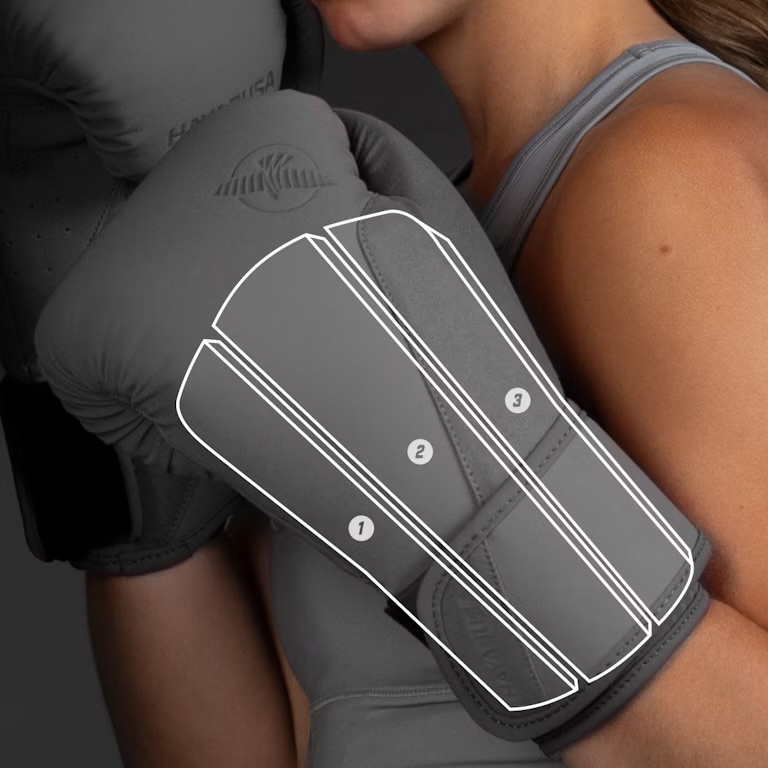
Boxing gloves aren't one-size-fits-all, and the wrong pair is more than annoying — it's a safety issue. When a glove is too roomy, your hand slides around inside it, your wrist loses support, and your knuckles aren't where the padding expects them to be. That's how sore wrists and tweaked hands happen. For many women, the added challenge is that a lot of gloves are cut for larger hands, so finding a snug, supportive fit takes a little more care. Get it right, though, and your gloves become the gear you never think about — they just protect you, round after round, for years.
The 5 things to look for
- A snug hand compartment. Your fingers should reach the end without cramming, and there shouldn't be a big air gap at the tips.
- Real wrist support. The single most important feature — a firm, wide cuff and a secure strap keep your wrist stable on impact.
- The right weight. Measured in ounces; more on that below.
- Quality materials & padding. Dense, layered foam that protects your knuckles and holds its shape, plus engineered leather that lasts.
- A secure closure. A wide velcro strap holds your wrist far better than a thin, flimsy one.
Glove weights explained
Glove weight is about padding, not hand size — so even if you have small hands, you still want a proper weight:
- 10oz — light and snappy; often used for bag work and by smaller athletes.
- 12oz — the sweet spot for most women doing bag and pad work.
- 14oz — the great all-rounder; enough for the bag AND light sparring.
- 16oz — the sparring standard; more cushion to protect your training partners.
If you're buying one pair to do everything for a while, 12–14oz is the safe bet; size up to 16oz once you start sparring.
| Weight | What it’s for | My take |
|---|---|---|
| 10 oz | Bag and pad work | Light and snappy — bag-work territory, not a sparring glove. |
| 12 oz | Bag and pad work | The sweet spot for most women on the bag and pads. |
| 14 oz | Bags, pads, partner drills, sparring | The all-arounder if you’re only buying one pair. |
| 16 oz | Sparring | What most gyms require to spar — and if you’re over 175 lb, just use 16 oz for everything. |
Remember: glove weight is about padding, not hand size — a smaller person still wants a proper weight, just in a brand cut for slimmer hands. Use-case ranges follow Hayabusa’s own published guidance (10–12 oz for bags and pads, 14–18 oz for bags, pads, partner drills and sparring), checked July 2026.
Boxing vs. kickboxing vs. bag vs. sparring gloves
Here's a myth-buster: for most cardio-kickboxing and Muay Thai-style classes, you use boxing gloves — the same gloves work for both. “Kickboxing gloves” is mostly a label. Bag gloves are firmer for hitting bags and pads; sparring gloves are softer and heavier to protect a partner. For a beginner, one quality all-purpose pair covers everything — you can read my full bag vs sparring gloves guide when you're ready to specialize.
How to size your gloves
Always try them on with hand wraps, which take up space and improve the fit. Make a tight fist inside the glove — your fingers should reach the end without jamming, with no big gap at the tips. Shake your hand firmly; if it slides around, it's too big. Strap the wrist and bend it — it should feel supported, not floppy. My sizing guide has the full walkthrough.
🥊 My top pick: Hayabusa T3
Ten years of training and still the best wrist support and fit I've found — especially for smaller hands. Code LILO at checkout.
My top picks by category
Best overall — Hayabusa T3
The gold standard for wrist support and fit, and the pair I’ve trained in for ten years and counting. My full T3 review covers exactly why, including where it falls short.
Best value for beginners — Hayabusa S4
Real quality at a friendlier price, and the easiest place to start if you’re new. One honest caveat so you can plan: if you start training seriously, you’ll likely outgrow it within about six months.
If you have smaller hands
Weight is about padding, not hand size — what actually changes is the cut of the hand compartment. My small-hands guide walks through the fit test I use.
Still comparing brands?
My Hayabusa vs Venum vs Sanabul breakdown ranks the big three side by side.
How to make them last
A quality pair lasts years if you care for it: air them out after every session (never leave them sealed in your bag), always wear wraps to soak up sweat, pop a cedar insert inside between sessions, and never dry them in direct heat. That's 90% of glove care right there.
Common mistakes to avoid
Sizing up “to be safe” (a roomy glove steals your wrist support), buying the cheapest pair (they pack out in weeks), and skipping wraps (they protect your hands AND improve fit). Buy once, care for them, and train happy.
Frequently asked questions
What oz gloves should a woman get? 12oz for most bag and pad work; 14–16oz once you spar.
Do I need different gloves for kickboxing? No — a quality boxing glove works for kickboxing too.
Are expensive gloves worth it? Yes if you train regularly — a quality pair lasts years, making it cheaper over time than replacing cheap gloves, and your wrists stay protected.
How much should you spend?
Boxing gloves range from about $30 to $200+, and price genuinely tracks with quality here. Here's how I'd think about it:
- $30–60 (budget): fine for testing the waters your first few months. Just know they'll pack out faster and offer less wrist support.
- $70–120 (the sweet spot): quality gloves that last years with real support — where I'd point most committed beginners.
- $130+ (premium): top-tier leather and construction; a splurge, but they last and feel incredible.
Here's the math that changed my mind years ago: a cheap pair that packs out in six months and needs replacing twice a year isn't actually cheaper than a quality pair that lasts three-plus years — it's more expensive, and your hands take the hit the whole time. If you know you're committed, invest once. Use a verified code (like my LILO code) to make the quality pair easier on your wallet, ideally stacked with a sale.
About Lizzie — “Liz Lightning”
Lizzie is a 10-year kickboxer and the founder of How To Live 30. Writing from Florida's Space Coast, she shares honest, tried-and-tested guidance on fitness, wellness, relationships, and loving your 30s. More about me →