


This post contains affiliate links. If you shop through them I may earn a small commission at no extra cost to you — I only ever recommend what I genuinely use and love. 💛
Your 30s are an interesting decade. You’re wiser, more self-aware, and starting to value health and longevity more than quick fixes. But at the same time, life is busier — career, relationships, family, and responsibilities often take priority. That’s why kickboxing is one of the most powerful fitness and mental health tools you can add to your lifestyle right now.
🔥 Why Kickboxing is Perfect for Your 30s
- Stress Relief: Hitting pads or a heavy bag helps release built-up tension and improves your mood.
- Full-Body Workout: Builds strength, stamina, and agility in one session.
- Confidence Boost: Learning self-defense skills increases mental toughness and self-assurance.
- Calorie Burning: A single session can burn up to 700+ calories — ideal for busy 30-somethings trying to stay lean.
🥋 Getting Started: Gear You’ll Need
Before stepping into your first kickboxing class, make sure you have the right gear. Quality equipment not only protects you but also makes training more enjoyable.
1. Gloves & Hand Wraps
Good gloves protect your hands and wrists during bag work and sparring. Always pair them with wraps for added stability.
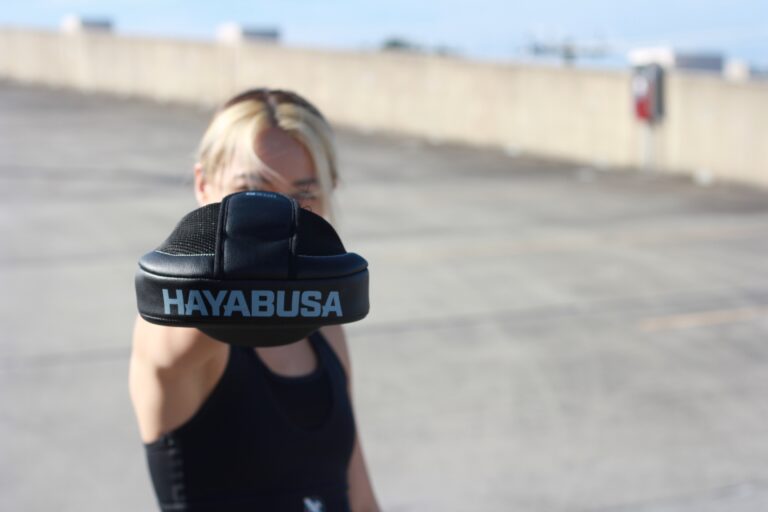
💥 Recommended Gear: Hayabusa Kickboxing Gloves
Train like a pro with Hayabusa’s gloves. They’re designed for durability, comfort, and maximum protection. Use code LILO for discounts.
2. Shin Guards
If your classes involve kicking drills or sparring, shin guards are a must. They reduce impact and protect your shins from bruises.
3. Breathable Apparel
Choose lightweight, sweat-wicking clothing. Comfort and mobility are key for those high-energy sessions.
🧠 The Mental Benefits of Kickboxing
Fitness is only half the story. Kickboxing also trains your mindset and resilience — two things that matter more than ever in your 30s.
- Stress Management: Physical activity reduces cortisol (the stress hormone).
- Mental Clarity: Focus drills sharpen concentration and help you “switch off” from daily distractions.
- Confidence & Discipline: Every class you complete builds self-trust and discipline.
💡 How Often Should You Train?
If you’re new, start with 2 sessions per week. Once your body adapts, 3–4 weekly sessions can maximize results without burnout. Always listen to your body and allow time for recovery.
🥗 Nutrition + Kickboxing = Energy Reset
Kickboxing burns serious energy. To fuel performance and recovery, prioritize protein, hydration, and micronutrients.
💪 Supplement Support
Pair your training with Rule One Proteins to boost recovery and muscle repair. Use code LILO for savings.
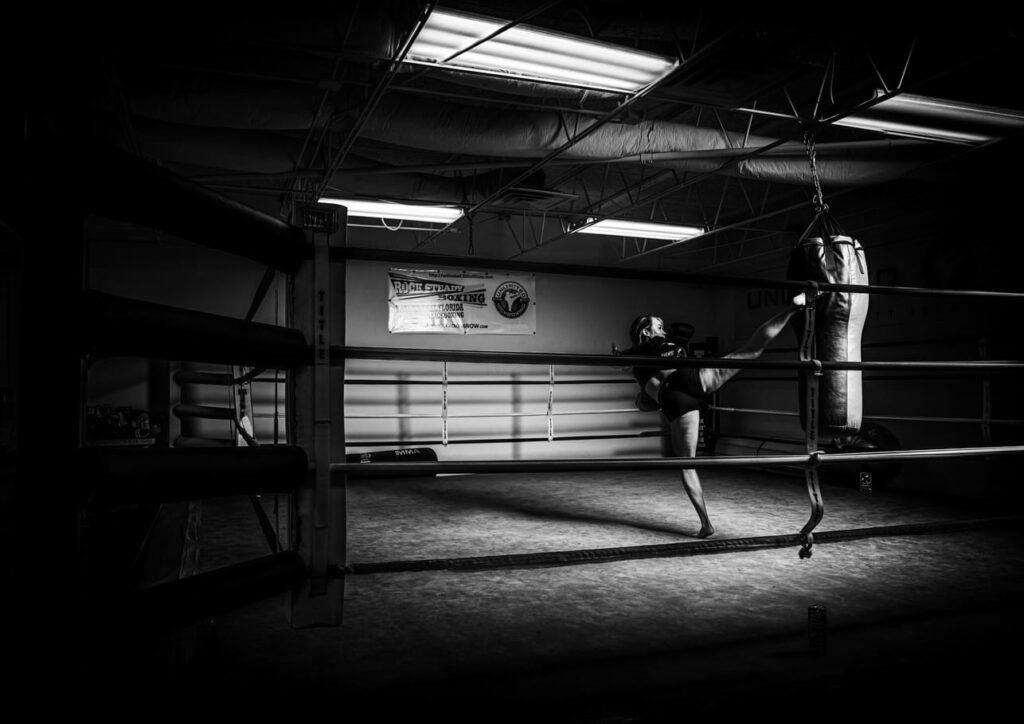
⚡ A Typical Kickboxing Session
- Warm-Up (10 mins): Jump rope, shadowboxing, mobility drills.
- Technique Drills (15 mins): Punches, kicks, combos.
- Bag Work (15 mins): Power strikes, speed rounds.
- Partner Drills (10 mins): Pad work or controlled sparring.
- Cool Down (10 mins): Stretching + core work.
🚀 Why Kickboxing is the Ultimate 30s Reset
Your 20s may have been about experimenting, but your 30s are about building consistency and resilience. Kickboxing isn’t just another workout — it’s a lifestyle choice that balances strength, stress relief, and self-confidence. It keeps you sharp, disciplined, and feeling young.
👉 Ready to Start Your Kickboxing Journey?
How to Choose Your First Gym (and Survive Class One)
Here’s the part nobody warns you about: the hardest punch you’ll throw in kickboxing is walking through the door the first time. The good news? You get to be picky. Not every gym is built for a 30-something who wants to get fit, not get concussed.
Before you commit, take a free trial or a single drop-in class and pay attention to a few things. A good gym for our stage of life looks like this:
- Fitness-focused, not fight-focused. Unless you actually want to compete, look for a “cardio kickboxing” or “kickboxing fitness” program rather than a hardcore fight gym. You want sweat and technique, not sparring on day one.
- Coaches who correct form. If the instructor just yells counts and never walks the floor to fix your stance, that’s a red flag for your joints.
- A real beginner track. The best gyms scale moves for newcomers instead of throwing you into the advanced combo and hoping you keep up.
- A vibe you’d come back to. If you feel judged in the lobby, you won’t return in week three. Trust that gut read.
For your actual first class: arrive ten minutes early, tell the coach you’re brand new (they love this, not the opposite), and give yourself full permission to be bad at it. Everyone in that room was once the person counting their feet and punching the wrong direction. Show up, listen, and let it be messy.
Beginner Mistakes That Wreck Your Progress
If your 20s were about going hard until something hurt, your 30s are about training smart so nothing has to. Most of the setbacks I see in new kickboxers aren’t from a lack of effort — they’re from a handful of fixable mistakes. Watch for these:
- Punching from the arm, not the body. Power comes from rotating your hips and pivoting your back foot, not from swinging harder. Muscle the punches and you’ll just tire your shoulders out and learn nothing.
- Skipping the wrap. Wraps aren’t optional decoration — they stabilize your wrists and knuckles. Throwing real punches on bare or loosely wrapped hands is how 30-something wrists start clicking.
- Locking out your kicks and elbows. Snapping a joint to full extension at speed is asking for strain. Stay relaxed, snap, and bring it back.
- Going every day in week one. Your tendons and connective tissue adapt slower than your enthusiasm. Ease in, then build — your recovery rituals matter as much as the training itself.
- Forgetting to breathe. New folks hold their breath during combos and gas out in two minutes. Exhale sharply on every strike. It’s free cardio and it doubles your stamina.
None of these mean you’re doing it wrong — they just mean you’re new. Fix them one at a time and you’ll feel the difference fast.
Quick Answers to the Questions I Get Asked Most
Do I need to be fit before I start? No — that’s backwards. You get fit by starting. A good class lets you move at your own pace, drop to half-speed, and rest when you need to. Come as you are.
Will I get bulky? No. Kickboxing builds lean, functional strength and serious endurance, not bulk. If anything, it leans you out. If you want to pair it with smart strength work, functional fitness is the perfect complement.
Is it bad for my knees? Done with proper form on a quality surface, it’s lower-impact than running. The risk comes from sloppy pivots and over-extending kicks — which loops right back to learning technique before chasing speed.
What if I have zero coordination? Welcome to the club — every single one of us started uncoordinated. Coordination is a skill, not a personality trait, and it improves shockingly fast once you stop expecting yourself to be good immediately.
Can I do this at home? Shadowboxing and basic combos, absolutely — it’s a great way to practice between classes. But for real feedback on your form, nothing replaces a coach who can see what your hips are actually doing.
Grab your Hayabusa gloves here (use code LILO) and fuel your workouts with Rule One Proteins (use code LILO).
🥊 My go-to gloves: Hayabusa
Ten years in and still what I train in — best-in-class wrist support and a fit that actually works for smaller hands. My verified code doesn’t stack with a sale that is running.
🥊 My go-to gloves: Hayabusa
The exact gloves I've trained in for 10 years — unreal wrist support, and they fit smaller hands.
Am I too old to start kickboxing in my 30s? No. Plenty of people start in their 30s and beyond, and gyms are used to it. I started around 30 myself and have trained for about a decade since.
What gear do I actually need for my first class? Hand wraps and gloves, and many gyms have loaner gloves for a first session. Everything else can wait until you know you are sticking with it.
How often should I train when starting out? Two to three times a week gives you enough repetition to improve while leaving room to recover. Ramping straight to daily is how beginners end up with sore wrists and burnout.