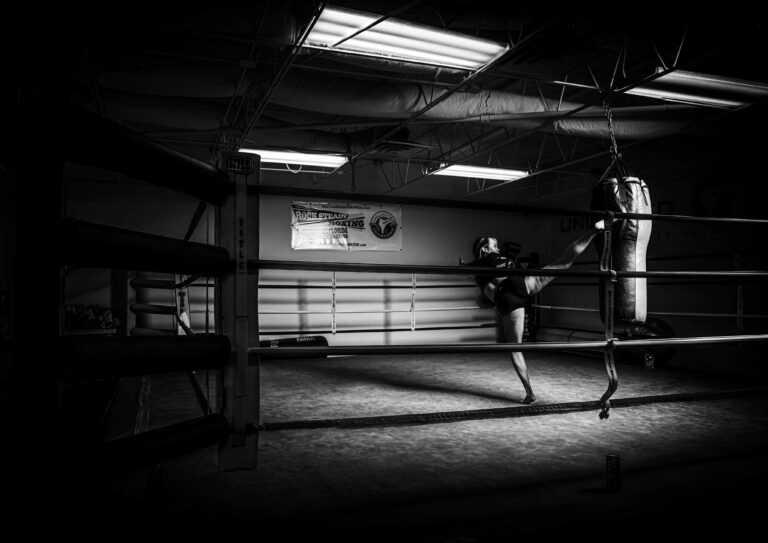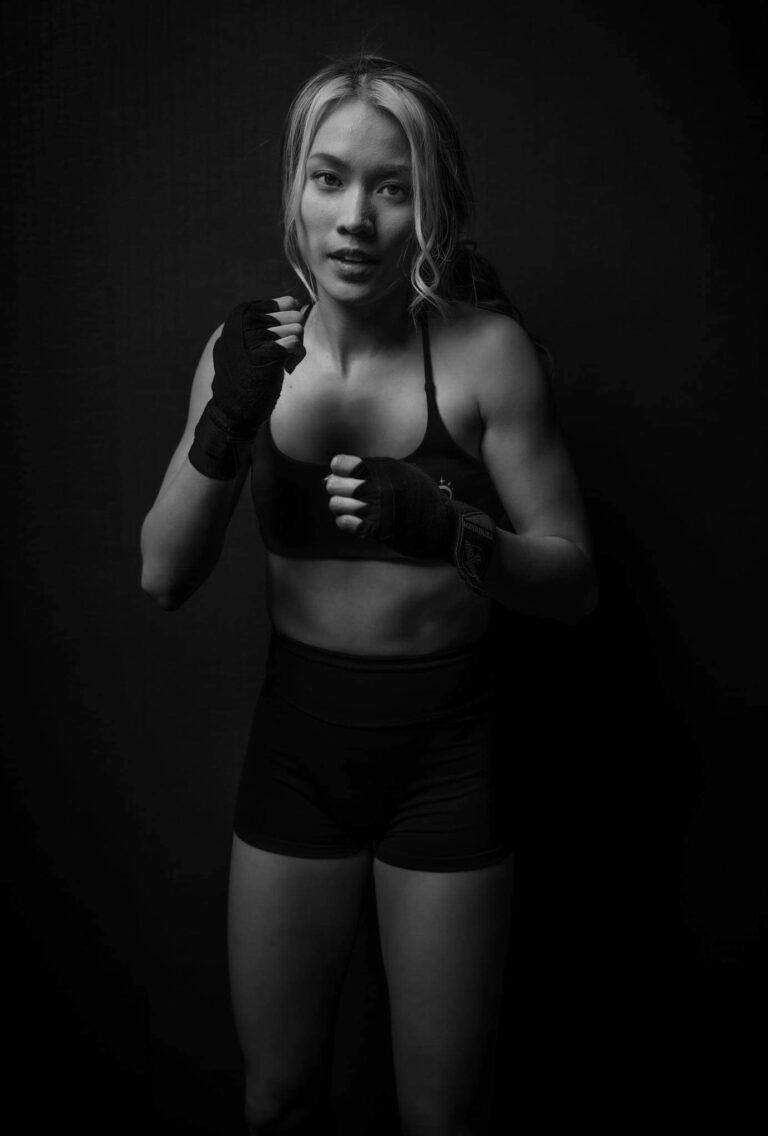



Hey friends, it's Lizzie! Nobody hands you the rulebook when you walk into a kickboxing gym. You just absorb it over months, usually by breaking a rule and catching a look. Ten years in, here is the unwritten stuff, written down: the things that make coaches like you, partners trust you, and your first weeks a lot less awkward.
Heads up: I'm a Hayabusa ambassador and I earn a small commission if you shop with my code or links, at no extra cost to you. I only recommend gear I actually train in. 💛
Before class
- Arrive early, not on time. Ten minutes gives you time to wrap your hands, find a bag and say hi. Walking in as the bell goes means someone else wraps your hands for you while the whole room waits.
- Wraps on before the warm-up. Wrapping is your job, not the coach's. If you can't do it yet, ask someone at the counter before class, not the coach mid-round.
- Tell the coach it's your first class. They will put you somewhere sensible and keep an eye on you. Trying to blend in is how beginners end up partnered with the wrong person.
- Clean gear, trimmed nails, no jewelry. Rings cut people. Long nails go through wraps. Gloves that smell announce you before you speak.
On the mat
- Match your partner's intensity, then go a notch under. Partner drills are not a competition. The person holding pads for you is doing you a favor; hit the pads, not the person.
- Don't coach your partner unless they ask. There is one coach in the room. If you have thoughts about someone's technique, keep your hands up and let the work answer. This is doubly true if you've been training three months and they've been training three years.
- Take corrections without explaining. When a coach fixes your guard, the answer is “got it,” not a story about why your hand was down. Ten years in, I still get corrected. I still say “got it.”
- Mouthpiece in for any contact round. No exceptions, no “we're going light.”
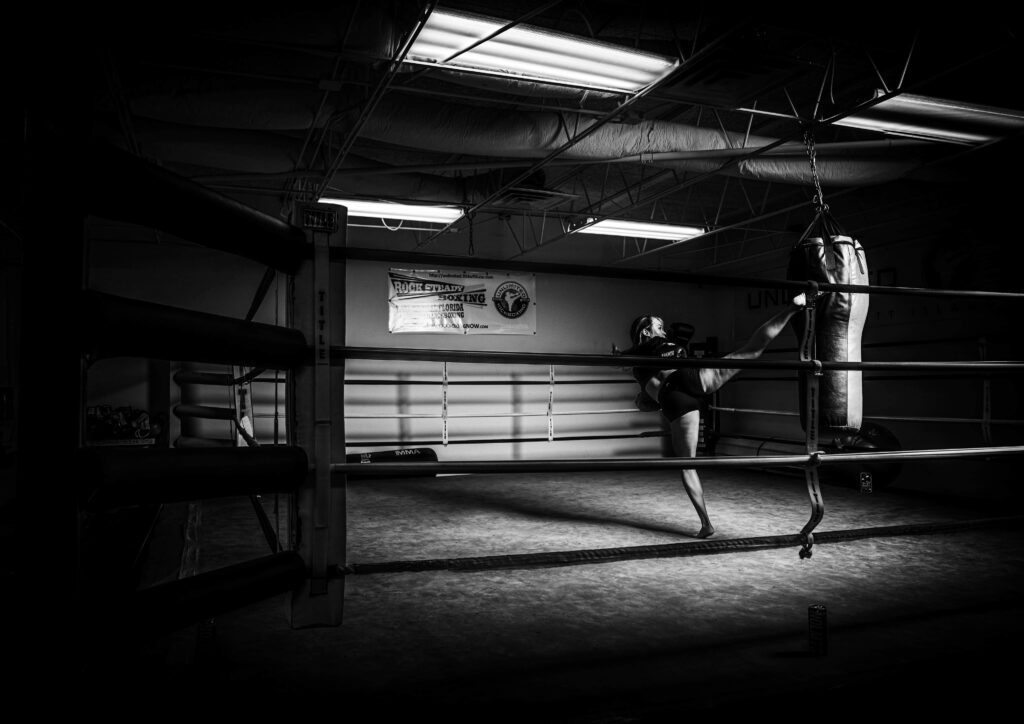
- Spatial awareness. Look behind you before you throw a kick. Bags swing, people move, and a stray roundhouse into a stranger is a memorable way to make a first impression.
- One bag, one person, unless invited. If the gym is packed, ask before sharing, and take turns cleanly.
Sparring rules, for later
- Sparring is invitation only. Your coach decides when you're ready, not you. I wrote about how to know when that is.
- The intensity is set by the lighter partner. If someone asks you to go light, you go light. If you ask and they don't, you stop the round and tell the coach.
- Tap gloves, say thank you, mean it. Before and after every round.
- No head-hunting a beginner. Ever. The people who do this are the ones the whole gym quietly avoids.
Filming and phones
I film a lot of my own training, so I feel strongly about this one: ask before you film in class, keep other people out of frame unless they've said yes, and never set up a tripod in a spot where someone has to work around it. Most gyms are fine with you filming your own bag rounds outside class time. Filming a coach's pad round without asking is a quick way to lose goodwill.
After class
- Wipe down your bag and put the pads back. Sweat on a bag is fine; sweat left on a bag is not.
- Thank the coach. Every time. It costs nothing and they notice who does it.
- Ask questions after, not during. Coaches love questions. They love them a lot more when the room isn't waiting.
- Gloves out of the bag the moment you get home. This one is for you, not the gym, but your training partners will thank you by month two.
The rule under all the rules
Be the person people want to partner with. Show up on time, hit the pads not the person, take corrections cleanly, and go as light as you're asked. Do that for a month and the gym stops being a room full of strangers and starts being yours. My first class was overwhelming and I didn't know a single one of these. Ten years later, the gym is one of the best things in my life. Start with the rules; the rest follows.
New and not sure what to bring? The beginner equipment checklist covers it, and what to wear to your first class covers the rest.
The small stuff nobody mentions
- Shoes off at the mat edge. Most gyms train barefoot on the mats. Street shoes on a mat is the fastest way to get the whole room to look at you.
- Bare feet means clean feet. That's it. That's the rule.
- Don't walk between a coach and the person they're holding pads for. Go around, every time.
- Kids' class before yours? Wait outside the mat until it clears. Parents are watching, and warming up in the corner during a kids' class is a bad look.
- Guests and friends wait in the lobby unless the gym says otherwise. Your friend on the bench filming you is a distraction for the whole class.
- Sick? Stay home. A gym is a room full of people breathing hard and sharing pads.
- Perfume and cologne stay in the car. In a hot room, strong scent is genuinely unpleasant for the person holding pads for you.
What to do when you break one
You will. Almost everyone breaks at least one of these early on. When it happens, apologize briefly, fix it, and move on; nobody remembers the person who said sorry and put their shoes at the edge, they remember the person who argued about it. The gym forgives beginners almost everything except attitude.
Etiquette for women in a mostly male room, specifically
Real talk from ten years of being one of a few women in the room: the rules above are the same for everyone, and you don't owe anyone extra deference for being new or small. Take the bag you were given. Hold pads properly and expect your partner to hit them properly. If someone decides to coach you uninvited, “thanks, I'm going to stick with what coach said” ends it politely. And the other women who train there will usually find you fast if you show up consistently.
🥊 When you are ready for your own gloves: Hayabusa
The gloves I have trained in for years, with a fit made for smaller hands. Put gloves and wraps in one order now, then shin guards and a mouthpiece when partner work starts. Code LILO at checkout, one code per order; if a bigger sitewide sale is running, take the sale.
Your Questions, Answered
Do I need my own gloves for my first kickboxing class? Usually not. Most gyms lend gloves for a first session. Bring your own hand wraps, water, and clothes you can kick in, then buy gloves once you know you are coming back.
Is it rude to film in a kickboxing class? Ask first, keep other people out of frame unless they agree, and never set up a tripod where someone has to work around it. Filming your own bag rounds outside class time is usually fine.
What if I'm slower than everyone else in class? Everyone in that room was slower than everyone else once. Go at your own pace, keep your hands up, and let the coach set your intensity. Nobody is watching you as closely as you think.
Related reading
- Kickboxing for Beginners: The Complete Guide
- What to Wear to Your First Kickboxing Class
- Beginner Boxing Equipment Checklist (What You Actually Need)
- How to Wrap Your Hands for Kickboxing (Step-by-Step)
- Kickboxing Terms Explained: A Beginner’s Glossary
- How to Get Over the Fear of Getting Hit (Sparring in Your 30s)