


Your 30s can be your strongest decade — but they can also be one of the most stressful. If you’re craving a workout that clears your head, builds confidence, and helps you feel youthful at any age, kickboxing is one of the best places to start.
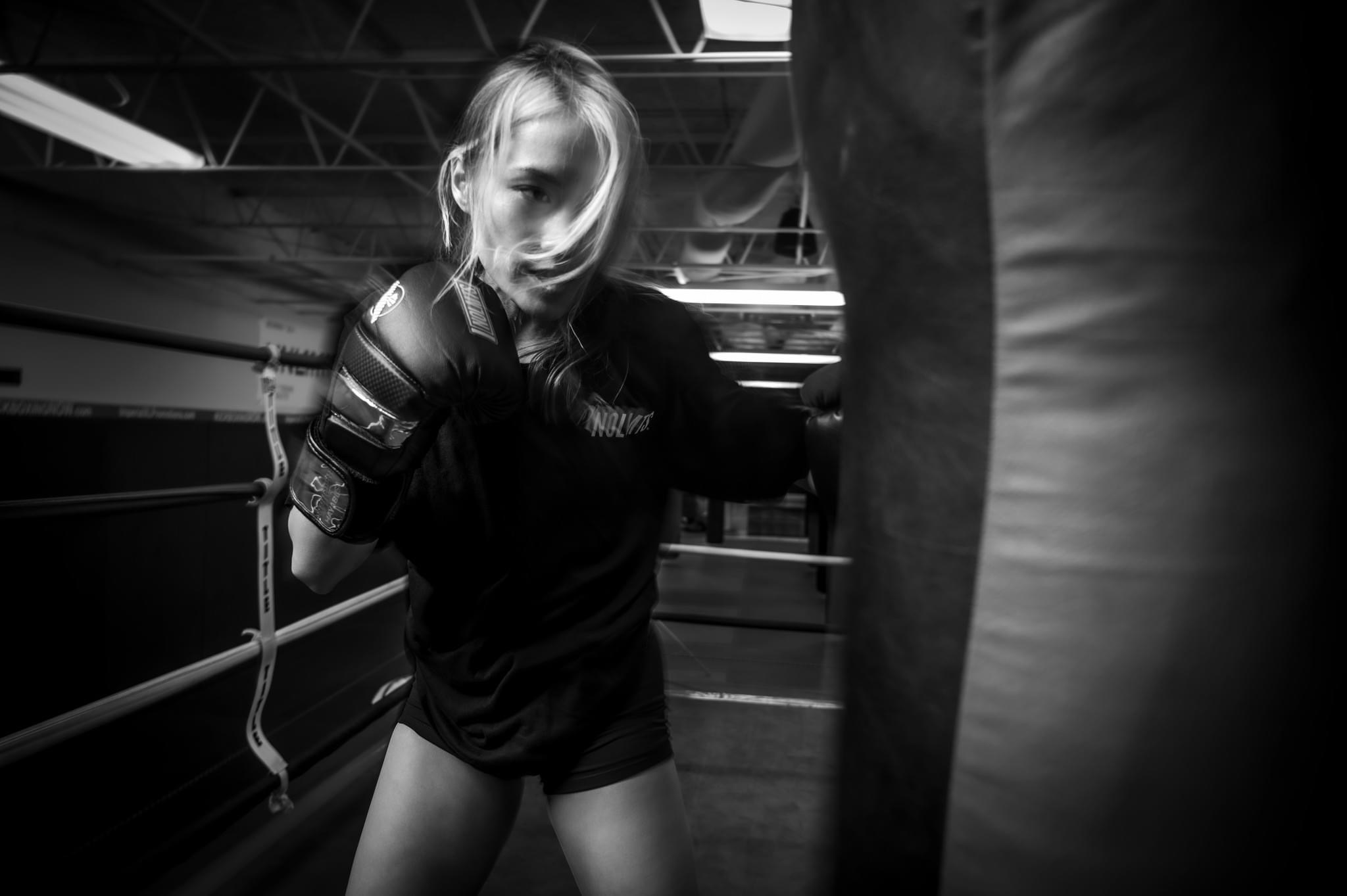
Why stress hits differently in your 30s 😮💨
Stress in your 30s often feels less chaotic and more constant: career pressure, financial goals, relationships, and the realization that your energy (and recovery) needs more care than it used to. When stress sticks around, it can affect sleep, motivation, mood, and consistency — which is why it helps to choose movement that supports your mind and your body.
Why kickboxing is one of the best workouts for your 30s 💪🔥
Kickboxing is a full-body workout that combines cardio, strength, coordination, and focus — and it’s tough to beat when you want to feel powerful again. It’s also engaging (so you’re less likely to quit), scalable (beginner-friendly), and emotionally satisfying (hello, stress relief).
1) Stress relief you can feel immediately 🧠➡️😌
Punching and kicking in controlled combinations gives your nervous system a healthy release. Many people finish a session feeling calmer, clearer, and more “back in their body” — which is exactly what you want when life feels nonstop.
2) Full-body fitness without boredom 🏃♀️🥊
Kickboxing works your core, legs, back, shoulders, and arms — while raising your heart rate. Because routines vary, your brain stays engaged, and consistency becomes easier (which is the real key to results).
3) Confidence that carries into real life ✨
There’s something powerful about learning a new skill that makes you feel capable. Kickboxing improves posture, coordination, and discipline — and that confidence follows you into everything: work, boundaries, relationships, and goals.
Living youthful is about movement — not age 🌿🕺
Feeling youthful isn’t about chasing your “old body.” It’s about keeping your body active, strong, and mobile — at any age. Kickboxing supports balance, coordination, stamina, and strength. Most importantly, it reinforces a mindset we love here: How to Live 30 means building habits that keep you energized, confident, and resilient for the long game.
Beginner-friendly kickboxing tips for your 30s ✅
- Start with 20–30 minutes (consistency beats intensity).
- Focus on form first — clean punches and stable footwork.
- Wrap your hands and use quality gloves to protect wrists.
- Train 2–3x/week and add walking or light strength on other days.
- Recovery matters — sleep, hydration, and mobility keep you feeling youthful.
Gear that makes training feel better (and safer) 🧤🛡️
Good gloves and support gear can make a huge difference in comfort and consistency. If you’re building a home setup or upgrading your basics, Hayabusa is a popular choice for durability and wrist support.
🎁 Hayabusa Savings: Use coupon code LILO at checkout on HayabusaCombat.com
Disclosure: This post may include affiliate links. If you purchase through them, we may earn a small commission at no extra cost to you. Thanks for supporting HowToLive30 💛
Why Florida makes it easier to live active 🌴☀️
Florida is built for movement: sunshine, outdoor spaces, and an active culture that makes it easier to stay consistent. Whether you’re doing a quick kickboxing session at home, walking by the water, or training at a local gym, the environment supports a lifestyle of energy, wellness, and confidence.
Final thoughts: Your 30s are a power decade 🏆
Kickboxing isn’t just a workout — it’s a reset button. It helps you release stress, build strength, and feel youthful at any age. Start small, stay consistent, and let the confidence compound. That’s how you live 30: with intention, movement, and momentum.
Class, gym, or living room? How to choose your first setup
Here’s a question I get all the time: do you actually need a class to start? Short answer — no. But the right setup depends on what you’re after. If your 20s were about whatever was cheapest or closest, your 30s are about matching the format to your actual life. Let me break down the three options so you can pick without overthinking it.
- A coached class — best if you want real technique, accountability, and the energy of training with other people. You’ll learn faster and hit fewer bad habits. The trade-off is cost and scheduling around someone else’s calendar.
- A heavy bag at the gym — perfect if you already have a membership and want to throw real power without booking a class. You get the satisfying impact (which is half the stress relief) but you’re mostly self-directed, so form can slip.
- Shadowboxing at home — the most flexible and the most budget-friendly. No bag, no equipment, just you and ten square feet of floor. You won’t get the impact, but you’ll get the movement, the sweat, and the mental reset on days you can’t leave the house.
My honest take? Start wherever removes the most friction. The best setup is the one you’ll actually use on a stressful Tuesday — not the one that looks best on paper. You can always upgrade later. If you’re still talking yourself out of starting at all, I wrote more about that mental block in my post on discipline over motivation.
Common mistakes that turn stress relief into stress
Kickboxing is supposed to leave you lighter, not limping. But a few easy-to-make mistakes can flip it from therapy into a source of frustration. Watch for these:
- Going all-out on day one. Your nervous system loves the release, but your wrists, shoulders, and hips need time to adapt. Treat your first few weeks as practice, not a test.
- Punching with a loose, bent wrist. This is the number one way beginners get hurt. Keep your wrist straight and stacked behind your knuckles on every contact strike.
- Holding your breath. When you tense up and forget to exhale, you lose the calming effect entirely. Breathe out sharply with each strike — that breath is doing as much for your stress as the punch is.
- Skipping the warm-up because you’re “just doing a quick session.” Cold joints plus explosive movement is how a stress-buster becomes a strain. Five minutes of loose movement is non-negotiable.
- Treating it as punishment. If you only train to “earn” food or burn off a bad day, the resentment builds. Frame it as something you get to do for your head, not something you owe your body.
None of this means you have to be perfect — it just means you protect the thing that makes kickboxing work in the first place. And on the days your body says rest instead of fight, listen. Recovery is part of the plan, not a failure of it — something I dig into more in my guide to recovery rituals in your 30s.
Quick questions I hear all the time
How soon will I actually feel less stressed? Usually the same session. The calm-after feeling tends to show up the very first time you really commit to a round. The deeper, day-to-day steadiness — sleeping better, snapping less — builds over a few weeks of consistency.
Do I need to be fit before I start? No. Kickboxing meets you where you are. Slow your pace, shorten your rounds, and rest when you need to. Fitness is the side effect, not the entry fee.
Will it bulk me up? No. It’s mostly cardio and coordination, so expect to feel leaner and more capable, not bigger. If you’re curious about how strength training actually shapes the body in this decade, that’s a different conversation I cover in my piece on functional fitness in your 30s.
What if I have a desk job and stiff shoulders? Honestly, that’s exactly who benefits most. Just ease into the rotation, keep your sessions short at first, and prioritize mobility on your off days. Your tight, screen-hunched body will thank you.
Ready to start? Grab your gear, put on your favorite playlist, and do a 20-minute session today. 🔥 Shop Hayabusa Gear (Code: LILO) →
🥊 My go-to gloves: Hayabusa
Ten years in and still what I train in — best-in-class wrist support and a fit that actually works for smaller hands. My verified code stacks on top of any sale.
Why It Works: Kickboxing as Stress Medicine
There is real science under the stress relief. Throwing punches burns off the physical surge of stress hormones like cortisol and adrenaline that pile up when you are wound tight, while the focus a combination demands pulls you completely out of your spiraling thoughts and into your body. Add the flood of endorphins afterward and you have a genuine, drug-free mood reset. It is not just that hitting things feels good (though it really, really does) — it is one of the most effective forms of active stress relief there is, which is exactly why it became my therapy.
Curious about the all-around fitness side too? See Kickboxing in Your 30s: The Secret Weapon for Fitness.
🥊 My go-to gloves: Hayabusa
The exact gloves I've trained in for 10 years — unreal wrist support, and they fit smaller hands.